Creating Focal Points In Living And Dining Spaces
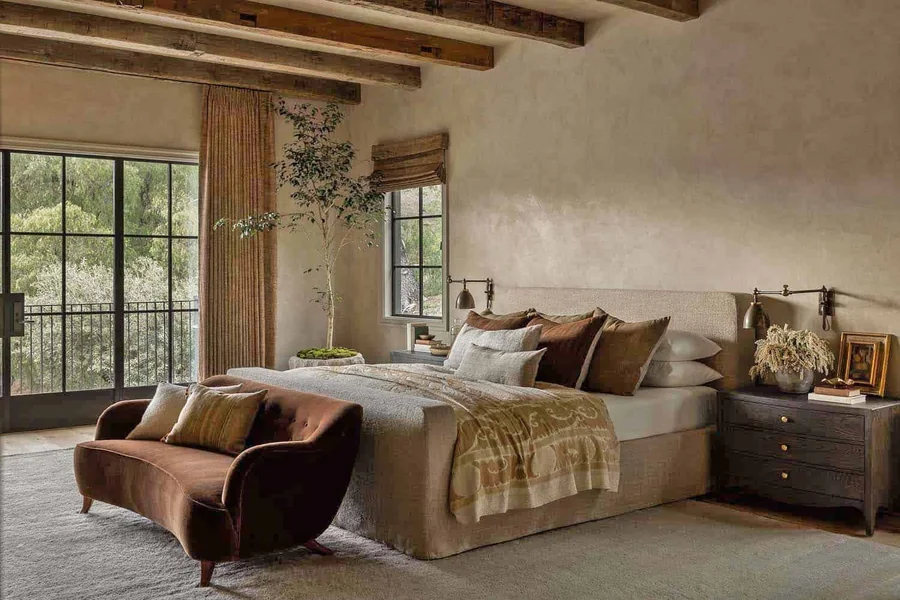
Artificial maple trees can act as showstopping focal points in both living and dining areas when approached as distinct sculptural elements. Placing a tall, lifelike tree in an underutilized corner brings vertical interest, gently softening harsh angles and brightening overlooked nooks. For a cozy atmosphere, situating a maple tree behind an armchair or beside a reading nook frames the space and enhances its sense of intimacy—without blocking natural daylight. In more open-plan homes, a pair of coordinated trees flanking a console table or buffet subtly separates the dining area from adjoining spaces, offering a gentle visual boundary while maintaining openness. Neutral interiors especially benefit from the warm, amber tones of maple foliage, which add richness and a touch of the season when paired with tactile throws and layered cushions. Careful editing of nearby accessories ensures the tree remains the dominant vertical piece, preserving balance and avoiding clutter.
Enhancing Entryways, Hallways, And Transitional Areas
Transitional spaces such as entryways, corridors, and landings often feel functional, but they hold untapped decorating potential. A slender artificial maple tree beside the front door—or placed near a hall console—immediately brings warmth, softening straight architectural lines and welcoming visitors. In narrower areas, a slim tree in a tall, unobtrusive planter adds verticality without crowding the walkway. Landings and stair turns also benefit: a maple tree here draws the eye upward, making the home’s architecture feel more harmonious. Styling these areas can be as simple as creating a mini vignette—pairing the tree with artwork, a mirror, or a bench. For adaptable style, the branches can be gently adorned with seasonal accents: think ribbon, delicate fairy lights, or elegant ornaments, while maintaining an appropriate look for everyday living.
Styling Trees With Planters, Lighting, And Layered Textures
The overall effect of artificial maple trees is shaped by the planters, lighting, and textures you choose to accompany them. Natural materials for planters—such as ceramic, woven fiber, or stone—feel grounded and cohesive within most home designs. For modern spaces, a simple cylindrical container keeps the focus on the tree’s shape, while detailed or patterned pots introduce a layer of personality. Lighting has a transformative effect; adding a nearby floor lamp or spotlight can cast soft shadows from the branches, lending the scene extra depth and dimension. In moodier rooms, wrapping the inner branches with tiny, warm lights creates a gentle evening glow. Complementary textures—like wool rugs, linen curtains, or boucle upholstery—balance the visual freshness of artificial foliage, ensuring the space feels welcoming rather than synthetic. With thoughtfully chosen details, homeowners can elevate the environment by choosing from a range of artificial maple trees that best match the style and mood of their rooms.
Zoning, Seasonal Styling, And Unexpected Placements
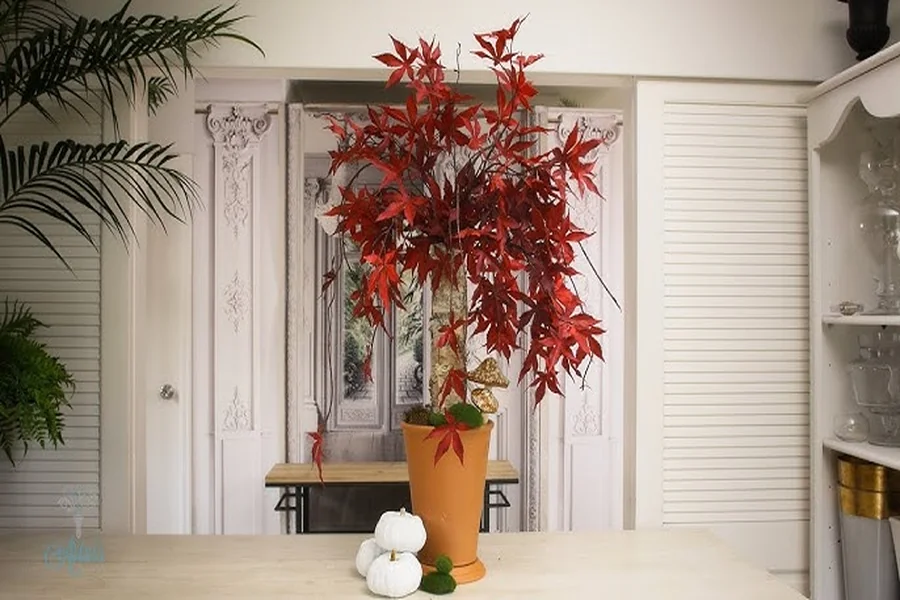
Artificial maple trees are surprisingly versatile in marking zones or introducing intriguing, unexpected accents throughout the home. In large open rooms, strategically placing a tree at the edge of an area rug can subtly delineate the boundary between living and work zones. Near a kitchen breakfast nook or dining bench, a medium-height tree warms up utilitarian areas dominated by cabinetry. When used in pairs, artificial maple trees on either side of a home office or reading space create balanced, calm boundaries that foster focus and tranquility. Changing the tree’s accessories with the seasons—such as accenting burnt orange textiles in fall, or lighter decor in spring—refreshes the ambiance throughout the year. Creative placements, like beside a freestanding bathtub in a ventilated bathroom or tucked in the corner of a sunroom, add elements of retreat as long as the materials are suited for the particular light and humidity of the environment. For more creative ideas and practical inspiration for enhancing spaces, you can explore resources at kierrarush.com to discover helpful tips and insights.