
Living in an apartment or shared building comes with its own set of challenges, one of which is dealing with pests. These unwanted guests can cause significant discomfort and health issues if not managed properly. Pests such as rodents, cockroaches, and bedbugs thrive in environments where they can easily access food, water, and shelter. In shared living spaces, the risk of infestation is higher due to the close proximity of units and shared facilities. Preventing pests requires a proactive approach, including maintaining cleanliness, sealing entry points, and regular inspections. Understanding how to effectively manage these factors can help keep your living space pest-free.
Key Strategies for Pest Prevention
Maintain Cleanliness and Hygiene
Maintaining cleanliness is one of the most effective ways to prevent pests in apartments and shared buildings. Pests are attracted to food residues, spills, and clutter, which provide them with the resources they need to thrive. Regular cleaning routines should include wiping down surfaces, vacuuming floors, and promptly disposing of garbage. Kitchens and dining areas are particularly vulnerable, so it’s crucial to clean up food spills immediately and store food in airtight containers. Bathrooms should also be kept dry and free of mold, as moisture can attract pests like cockroaches and silverfish. By keeping living spaces clean and tidy, you can significantly reduce the likelihood of a pest infestation.
Seal Entry Points
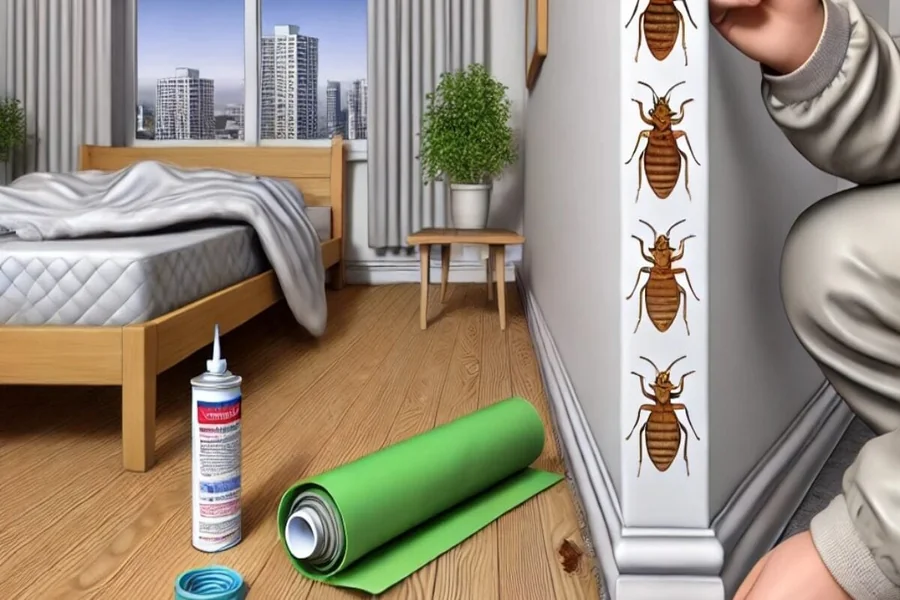
Pests often enter buildings through small cracks and openings. Sealing these entry points is essential in preventing infestations. Inspect your apartment for gaps around windows, doors, and utility lines, and use caulk or weatherstripping to seal them. Pay attention to areas where pipes enter walls, as these are common entry points for rodents and insects. Additionally, ensure that window screens are intact and free of holes. By taking these measures, you can create a barrier that makes it difficult for pests to enter your living space. This proactive approach is a crucial step in maintaining a pest-free environment.
Regular Inspections and Monitoring
Conducting regular inspections is vital in identifying potential pest problems before they escalate. Look for signs of pest activity, such as droppings, gnaw marks, or unusual odors. Early detection allows for timely intervention, which can prevent a minor issue from becoming a full-blown infestation. Consider hiring a professional pest control service to perform routine inspections and treatments. Pest Control Overland Park offers comprehensive services that can help keep your apartment or shared building free from pests. By staying vigilant and addressing issues promptly, you can maintain a healthy and comfortable living environment.
Proper Waste Management
Effective waste management is crucial in preventing pests. Ensure that garbage is disposed of regularly and that trash bins are kept clean and covered. Overflowing bins and exposed waste can attract pests like rodents and flies. Recycling areas should also be maintained to prevent the accumulation of materials that can harbor pests. Encourage all residents in shared buildings to adhere to waste management protocols to minimize the risk of infestation. By managing waste properly, you can eliminate one of the primary attractants for pests, thereby reducing their presence in your living space.
Landscaping and Exterior Maintenance
The exterior of a building can also contribute to pest problems if not properly maintained. Overgrown vegetation, standing water, and debris can create ideal conditions for pests to thrive. Regularly trim bushes and trees to prevent them from touching the building, as they can serve as bridges for pests to enter. Ensure that gutters and drains are clear of debris to prevent water accumulation. By maintaining the exterior of the building, you can reduce the likelihood of pests finding their way inside. This holistic approach to pest prevention is essential for long-term success.
Educate Residents
Educating residents about pest prevention is a key component in maintaining a pest-free environment in shared buildings. Provide information on the importance of cleanliness, waste management, and reporting pest sightings. Encourage residents to communicate any pest-related issues promptly so that they can be addressed quickly. By fostering a community-wide commitment to pest prevention, you can create a more effective and sustainable approach to managing pests. Education empowers residents to take proactive measures and contributes to the overall well-being of the living environment.
Conclusion
Preventing pests in apartments and shared buildings requires a comprehensive approach that includes maintaining cleanliness, sealing entry points, and conducting regular inspections. Proper waste management and exterior maintenance are also crucial in reducing the risk of infestation. By educating residents and fostering a community-wide commitment to pest prevention, you can create a healthier and more comfortable living environment. Taking these proactive steps not only protects your living space but also enhances the quality of life for all residents. With diligence and cooperation, it is possible to keep pests at bay and enjoy a pest-free home.