
Dog training is an essential component of pet ownership, fostering better communication between pet and owner while ensuring the dog’s well-being. According to experts at Waggie Dog Training School – Top Reviewed in Singapore, a well-structured training regimen can significantly improve a dog’s behaviour and quality of life. With numerous training techniques available, understanding the best approach for your dog can make all the difference.
Understanding Dog Behaviour
Before embarking on a training journey, it’s critical to understand canine behaviour. Dogs communicate mostly through body language. Observing how your dog interacts with different environments and stimuli provides insights into their temperament and needs. Every breed comes with its unique set of behavioural traits, so knowing the specifics of your breed can help tailor the training approach effectively.
The Importance of Socialisation
Socialising a dog from a young age is paramount. This process helps a dog acclimate to various people, environments, and other animals, contributing to reduced anxiety and aggression later in life. Puppies are especially impressionable; early socialisation plays a crucial role in their development.
Socialisation should start around three weeks of age and continue throughout their growth. Encouraging interactions with other dogs and people, taking walks in varied environments, and exposing them to different sounds and experiences are all part of a comprehensive socialisation strategy.
Positive Reinforcement vs. Traditional Methods
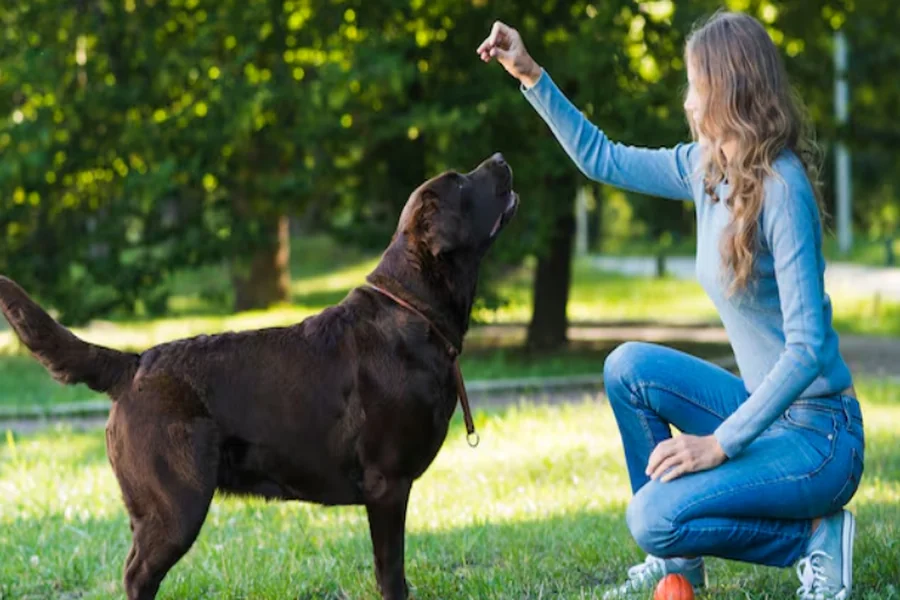
Over the past few decades, dog training has evolved to favour positive reinforcement over more traditional methods. Positive reinforcement is a technique where desired behaviours are rewarded with treats, praise, or play, effectively encouraging the dog to repeat the behaviour. Unlike punitive methods, positive reinforcement builds a trusting relationship between the dog and owner, leading to a more enthusiastic learning process.
This approach not only enhances obedience but also fortifies the bond between humans and their pets. By focusing on the positive outcomes of desired actions, dogs feel motivated to please their owners without fear of punishment.
Basic Commands and Obedience Training
Teaching basic commands is foundational in dog training. Commands such as ‘sit’, ‘stay’, ‘come’, and ‘heel’ are crucial for ensuring safety and control. Begin with these simple commands, offering rewards and praise to reinforce compliance.
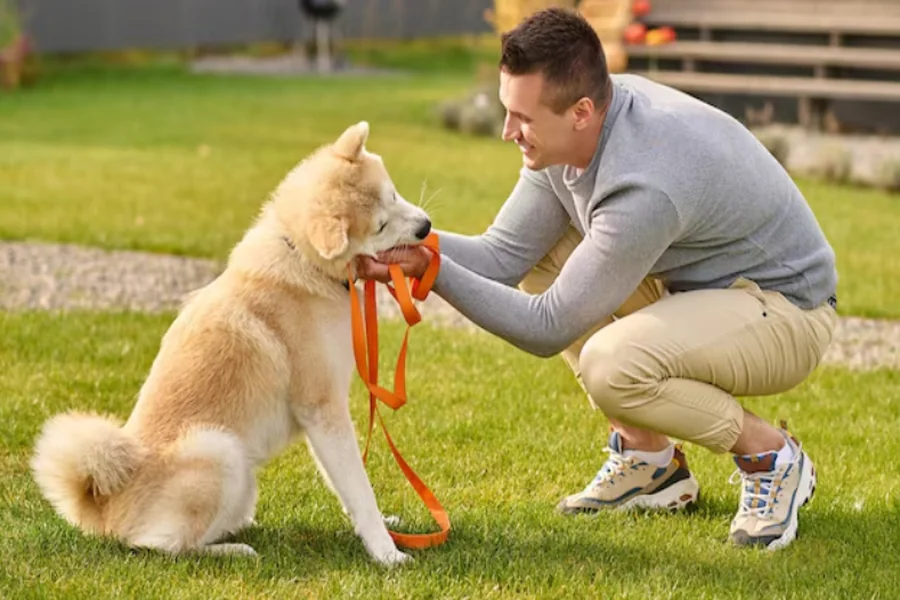
Consistency is key. Using the same command words and hand signals helps avoid confusion. Short, frequent training sessions are more effective than lengthy ones, which might lead to boredom or frustration for the dog. Patience and persistence result in a well-behaved companion who responds reliably to your cues.
Crate Training and Housebreaking
Crate training is a beneficial tool for both dogs and their owners. It provides a sense of security for the dog and aids in housebreaking by capitalising on a dog’s natural instinct not to soil their sleeping area. Introduce the crate as a positive space where your pet can retreat willingly.
Housebreaking involves setting a routine and rewarding your dog for successful elimination outside. Regular feeding times and frequent outdoor visits, especially after meals and naps, help establish a consistent routine. Accidents should be handled without punishment. Clean the area thoroughly to remove odours that might tempt the dog to repeat the behaviour.
Addressing Behavioural Issues
Despite best efforts, some dogs might develop behavioural problems like excessive barking, chewing, or separation anxiety. Understanding the root cause is the first step in addressing these challenges. Often, these behaviours stem from boredom, lack of exercise, or fear.
Enrichment activities, such as puzzle toys and interactive games, can alleviate boredom and provide mental stimulation. Regular exercise is crucial for a dog’s physical and mental health. For severe behavioural issues, enlisting the help of a professional dog trainer or behaviourist might be necessary to implement effective strategies tailored to your dog’s needs.
The Role of Patience and Consistency
Successful dog training hinges on patience and consistency. These virtues cannot be overstated, as training outcomes can vary significantly depending on the dog’s personality, breed, age, and past experiences. Building new behaviours takes time, and setbacks might occur, but perseverance pays off in the end.
Celebrate small victories and maintain a positive outlook. Training isn’t merely about teaching your dog commands but about nurturing a trusting, respectful relationship through mutual understanding and communication.
Advanced Training and Activities
For those looking to go beyond basic obedience, advanced training can open up avenues for engaging, shared activities. Agility training, scent work, and obedience competitions are incredible ways to provide mental and physical challenges for dogs. These activities not only improve a dog’s skills but also enhance the bond with their owner through teamwork and shared goals.
Advanced training can be tailored to suit your dog’s interests and strengths, making it an enjoyable process that keeps your dog engaged and happy.
Continuous Learning and Adaptation
Dog training is not a one-time project but a lifelong commitment to learning and adaptation. Dogs continue to develop throughout their lives, and their needs may change over time. Stay informed about new training techniques and adapt your methods to suit your dog’s evolving needs. By maintaining an open and flexible approach, you’ll ensure a fulfilling and enriching life for your canine companion.