

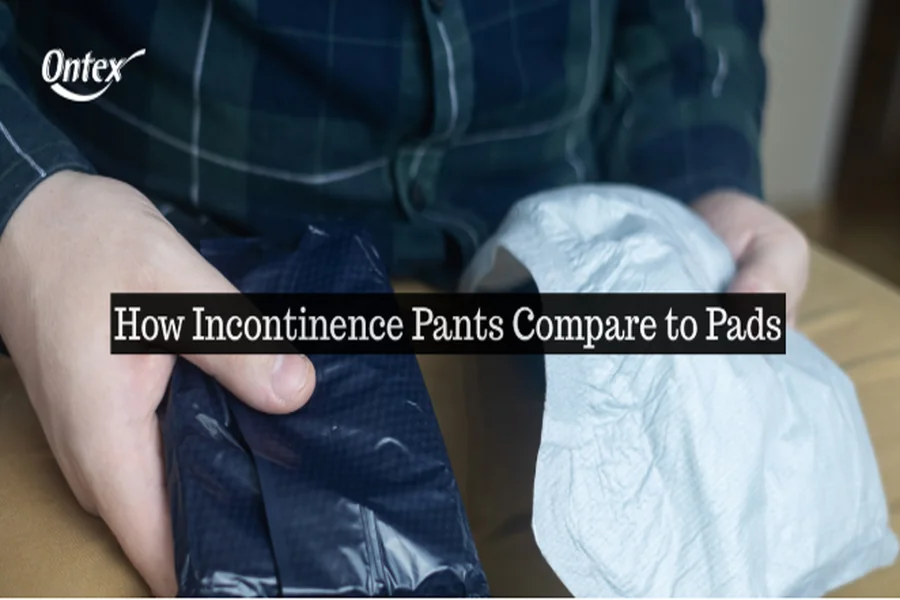
If you’ve ever stood in the incontinence aisle at Chemist Warehouse staring at dozens of products, you know that sinking feeling. Labels like “super,” “ultra,” and “maximum” don’t answer one simple question: should you choose incontinence pants or stick with pads?
Here’s what you need to understand. Incontinence pants pull on like regular underwear and give you full coverage for moderate to heavy leaks. Meanwhile, Incontinence pads sit inside your own underwear with an adhesive strip and work best for lighter protection.
The right choice depends on how much you leak, your access to bathrooms, and what feels manageable in your daily routine. At Ontex Healthcare, we’ve helped thousands of Australians find the right fit through our full range of quality incontinence products.
In this article, we’ll cover when pads work better, signs it’s time to switch to pants, smart ways to use both products, and how to find your right fit with Australian funding options.
Ready to learn more about incontinence products? Let’s get started.
When Pads Work Better Than Pants
You’ll find incontinence pads work best when you experience light leaks (less than 1 cup per day), stay close to bathroom facilities, and prefer the comfort of your own underwear.

Pads are perfect for light leaks under 200ml daily, which is about what you experience during occasional stress incontinence. If you’re dealing with small dribbles, for when you cough, sneeze, or exercise, pads offer just enough absorbent protection without feeling bulky. They also work really well for women managing light bladder weakness throughout the day.
You should consider costs, too, especially if you’re on a fixed income or pension. Pads cost roughly 50% less than pull-ups with similar absorbency levels. When you think about your daily purchases over weeks and months, that difference really adds up.
A pack of pants might cost $30, while pads with comparable protection for light leaks cost around $15. This makes pads a budget-friendly choice from the range of incontinence products available.
The other big advantage? You can change pads easily while seated on the toilet, which makes them much safer in small public bathrooms. There’s no need to balance or worry about fully undressing in a cramped café bathroom. You simply pull down your underwear, remove the old pad, and stick a new one in place.
This quick change means less time away from work or social activities. It’s especially helpful if you have mobility concerns or arthritis that makes getting dressed challenging.
Once you notice you’re changing pads more than four or five times daily, or if leaks are soaking through despite “maximum” absorbency labels, it might be time to consider pants instead.
For more guidance, the Continence Foundation of Australia offers helpful resources.
When to Switch to Incontinence Pants
The best part about incontinence pants is that you get all-day protection without constantly worrying about leaks soaking through your clothes or needing emergency bathroom runs.
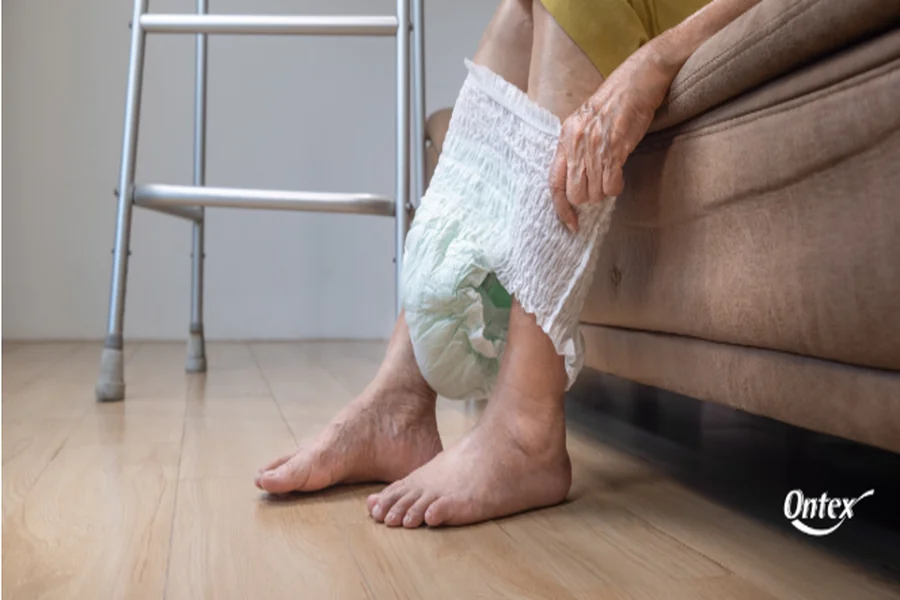
Let’s look at the clear signs that it’s time to upgrade from pads to pants:
Signs You’ve Outgrown Pads
If you’re changing pads 4-5+ times daily, you’ve likely outgrown them. Other signs include frequent leaks despite using “maximum” absorbency pads, developing skin irritation from constant changes, or feeling anxious about making it to bathrooms in time.
Many customers tell us they knew it was time to switch when they started planning their entire day around bathroom locations. That’s when managing incontinence with pads becomes more stressful than helpful.
Moderate to Heavy Leak Management
Incontinence pants handle 200-400ml+ absorbency per use, which is about 1-2 cups. They’re specially designed for unpredictable urge incontinence when you suddenly need to go without much warning.
The super absorbent core locks away moisture quickly, and the odour control technology keeps you feeling fresh throughout the day. They work really well for nighttime protection too, lasting 8+ hours without changes. This means better sleep for you without waking up wet or uncomfortable.
Mobility and Independence Factors
You pull incontinence pants on independently like regular underwear, which is better if you’re active and can’t stop for frequent changes. The elastic waistband and leg openings with breathable materials prevent leaks during movement, whether you’re walking, exercising, or going about your day.
There’s no adhesive positioning required either, which makes them easier if you have arthritis or limited dexterity in your hands. They feel more like normal underwear, too, which helps adults and seniors feel more confident throughout the day.
Once you understand when pants work best, you might wonder about using both products for different situations.
Smart Ways Australians Use Both Products
You might be wondering how other Australians manage different situations throughout their week with both products.
Here’s how you can mix and match incontinence pads and pants based on your daily activities, save money while staying protected, and pack smart for travel or outings.
Day and Night Combinations
Wear incontinence pads during the daytime when you’re at home and can change easily. Then switch to pants for overnight protection or when you’re heading out for extended periods. This approach saves you money by using less expensive pads when they’re sufficient.
What’s more, adding washable, reusable bed pads underneath gives you extra nighttime protection. Many Australians find this combination gives them peace of mind knowing they’re covered both ways.
The bed pads from our Kylie range protect your mattress while pants handle your body’s needs.
Activity-Based Product Switching
You might choose pads for working from home or running quick errands around your neighbourhood. So switch to pants for exercise, long meetings, travel, or social events where bathroom access feels uncertain.
Here’s a real-world example: one customer wears pads during her morning routine and afternoon grocery shopping, but puts on pants before her weekly bowling league. Another uses booster pads inside pants on extra-heavy days to extend wear time without changing the entire product.
Travel and Public Outing Strategies
If you’re traveling, pack both options in a discreet carry bag. Pants work better for airplane bathrooms or interstate road trips where you can’t stop easily. Pads are sufficient for short local outings when you know where the bathrooms are located.
Our iD and Lille products are available across Australian retailers, so you can restock during longer trips without worrying. The range of absorbency levels means you’ll find what you need, whether you’re in Sydney, Melbourne, or driving through regional areas.
Now that you know how to use both products strategically, let’s talk about getting the right fit and accessing Australian funding options.
Finding Your Right Fit (Australian Options)
It’s true that sizing incontinence products correctly stops 90% of leak problems, but your regular clothing size won’t match product sizing charts.
Let’s cover how to measure yourself properly:
Proper Measurement Techniques
You need to measure your hip circumference at the widest point, not your waist. This is the most important measurement for getting pants that fit your body properly.
Keep in mind that medium in one brand may fit like large in another, so always check the manufacturer’s instructions. Once you have measurements, use Ontex Healthcare’s free Product Selector tool to find what suits your needs.
Australian Funding and Affordability Options
If you’re eligible, CAPS (Continence Aids Payment Scheme) funding covers incontinence solutions. NDIS participants can include products in their care plans, too.
Contact the National Continence Helpline on 1800 33 00 66 for guidance. Private health insurance may cover products under extras, though check your specific policy. Please contact us if you need help navigating applications.
For detailed CAPS funding information, visit the CAPS funding page.
Free Sampling Before Buying Bulk
You can order up to 4 free samples monthly from Ontex Healthcare to test various absorbency levels before committing to a purchase. Customers speak highly of this approach because it removes the guesswork and lets you experience incontinence products in real situations at home.
Healthcare professionals can access up to 40 samples through our Ontex Academy program for client trials, which helps them recommend the right products to patients.
Where Australians Buy Products
You’ll find our range at Chemist Warehouse, Priceline, and TerryWhite. For stress-free shopping with exclusive offers, buy through the Ontex Healthcare website for discreet home delivery. Packages arrive in plain packaging.
Medical supply stores offer bulk purchase discounts, and some provide subscription services so you never run out.
Your Next Steps
Now that you understand the differences, you might be wondering what to do next.
Your decision depends on how much you’re leaking daily, your access to bathrooms, and your budget for managing incontinence. Thousands of Australians manage incontinence successfully and live active, fulfilling lives with reliable protection.
You can try Ontex Healthcare’s Product Selector tool on our website for personalised recommendations. Then order free samples of both pads and pants to test at home. There’s no need to guess when you can try them risk-free first.
With the right products, you’ll stop planning your day around bathrooms and start enjoying life again.