
Why Temporary Storage Matters For Vehicle Owners
Many vehicle owners eventually face situations where they need short or medium-term protection for their cars without investing in a permanent structure. Relocating for work, waiting for a renovation to finish, or simply lacking a traditional garage are all common reasons to look for flexible storage options. In these scenarios, leaving a vehicle exposed to the elements can accelerate wear and tear, even over a relatively brief period. UV rays can fade paint and damage interior materials; moisture can contribute to rust and electronic issues; and temperature swings can stress seals and plastics. Traditional solutions like car covers or tarps offer some protection, but they often lack stability, ventilation, and consistent shielding from debris and weather. As a result, more owners are exploring structured, but still temporary, alternatives that bridge the gap between a simple cover and a permanent garage.
Common Types Of Temporary Vehicle Storage
Temporary vehicle storage options range from simple fabric covers to semi-permanent structures erected on driveways or open plots of land. The most familiar solution is likely the standard car cover, which is inexpensive and easy to store, but can flap in the wind, trap moisture, and gradually wear against the paint. A step up from this are metal or fabric carports, which provide a rigid roof and sometimes side panels, offering better protection against rain and sun but often requiring installation work and local permissions. Portable shelters constructed with metal frames and tensioned fabric are another option; they tend to be more durable but less mobile than many people expect, and they may still allow dust, rodents, and humidity to affect the vehicle. For those who need truly flexible, movable protection, inflatable car garages have emerged as a way to combine structure, controlled airflow, and ease of deployment. They are particularly useful when a vehicle must remain on-site but cannot be stored in a permanent building.
How Inflatable Car Garages Protect Against Environmental Damage
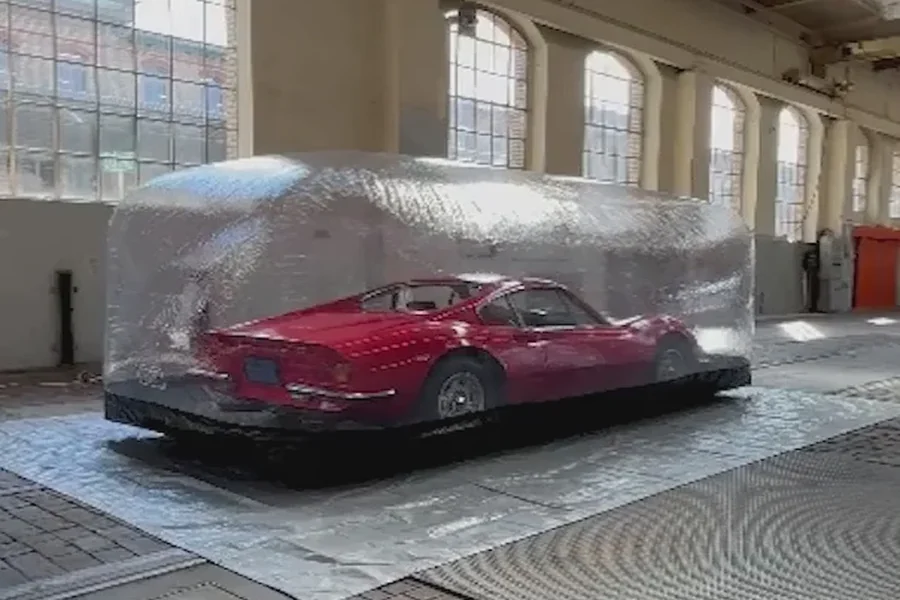
Inflatable car garages function as sealed or semi-sealed environments designed to isolate the vehicle from external hazards while remaining easy to assemble and relocate. Their protective value lies in creating a controlled microclimate that separates a car from direct contact with dust, debris, and precipitation. By enclosing the vehicle within an air-supported structure, the surface is shielded from hail, tree sap, bird droppings, and wind-blown contaminants that can dull finishes or cause minor body damage over time. Many designs also encourage air circulation, reducing the risk of condensation forming on metal surfaces, which can promote rust in vulnerable areas. Because the walls and roof are typically made from robust, multi-layered materials, they can soften impacts from accidental bumps or falling objects in ways that rigid shelters may not. These features collectively aim to slow down the cosmetic and structural ageing processes that affect vehicles stored outdoors. For those interested in exploring options, a range of inflatable car garages here demonstrates how practical and adaptable this solution can be in protecting a vehicle investment.
Practical Considerations When Choosing An Inflatable Solution
Selecting an inflatable garage as a temporary storage solution requires considering both the environment in which it will be used and the characteristics of the vehicle itself. Space is a primary factor: there must be enough room not only for the footprint of the structure but also for safe access to enter and exit. Local climate patterns should guide choices about material thickness, UV resistance, and anchoring systems, especially in windy or storm-prone areas. Owners also need to evaluate whether a continuous power source is required to maintain inflation or whether the design uses a sealed, air-retentive structure with only occasional top-ups. In addition, ease of setup and portability can make a significant difference for people who plan to move the shelter between locations or store it when not in use. Finally, basic maintenance practices, such as periodically checking seams, cleaning transparent panels, and inspecting zippers or access points, help ensure that the garage continues to offer reliable protection as a long-term, yet still temporary, storage option.
- Assess available space and ground conditions before purchase or setup.
- Match material durability and UV resistance to local weather patterns.
- Clarify whether continuous airflow or sealed inflation is required.
- Consider how often the shelter will be moved or packed away.
- Plan routine inspections to catch wear before it compromises protection.