

Olive oil has emerged as a prominent ingredient in Singapore, steadily capturing the attention of both professional chefs and home cooks. Its distinctive flavour, nutritional benefits, and versatility have made it an essential element in modern kitchens, allowing it to enhance a wide range of dishes while appealing to the city-state’s increasingly health-conscious food enthusiasts. The growing demand for olive oil in Singapore reflects a broader shift towards healthier cooking practices and premium ingredients. As global culinary trends continue to influence Singaporean dining habits, olive oil has become more than just a cooking medium; it is now regarded as a symbol of quality, health, and sophistication in food preparation.
Origins and Historical Significance
Olive oil traces its origins to the Mediterranean, where it has played a pivotal role in culinary traditions for thousands of years. Ancient civilisations valued it not only for its culinary uses but also for medicinal purposes, religious rituals, and cosmetics. Its rich history reflects its importance in daily life and culture, offering more than just flavour but also health and wellness benefits.
Over time, olive oil has travelled beyond the Mediterranean, establishing a presence in kitchens worldwide. In Singapore, globalisation and the popularity of international cuisines have facilitated its integration into both professional and domestic cooking, allowing chefs and food enthusiasts to experiment with Mediterranean-inspired dishes alongside traditional Asian fare.
Nutritional Benefits and Health Implications
The health advantages of olive oil have contributed significantly to its popularity. Rich in monounsaturated fats, it helps reduce low-density lipoprotein (LDL) cholesterol, promoting heart health and lowering the risk of cardiovascular disease. It also contains antioxidants, including vitamin E, which protect the body against oxidative stress and inflammation.
Numerous studies suggest that regular consumption of olive oil may be linked to a lower risk of chronic illnesses, including heart disease, certain cancers, and type 2 diabetes. In Singapore, rising awareness of diet-related health issues has encouraged many individuals to replace traditional cooking oils with olive oil. Its incorporation into daily meals is now seen as a practical step towards a healthier lifestyle, complementing the city’s broader focus on wellness and preventive health measures.
Varieties and Culinary Applications
Olive oil comes in various grades, each suited to different culinary needs. Extra virgin olive oil, the highest-quality variant, is prized for its robust flavour and high nutritional value, making it ideal for dressings, drizzling over finished dishes, and preparing cold recipes. Virgin olive oil, slightly milder, is suitable for sautéing or medium-heat cooking, while refined olive oil, with its subtle taste and high smoke point, is preferred for frying and high-temperature cooking.
Singaporean consumers, known for their discerning taste, often seek premium olive oils for specific culinary applications. Households increasingly maintain a selection of oils to suit different recipes, reflecting a growing interest in both health and flavour authenticity. This variety allows chefs and home cooks alike to replicate international dishes more faithfully while also experimenting with fusion cuisine.
Integration into Singaporean Cuisine
Singapore’s culinary landscape, influenced by Chinese, Malay, Indian, and Western traditions, has embraced olive oil in both contemporary and traditional recipes. Chefs have begun incorporating it into local dishes to enhance nutritional value without compromising flavour. For example, stir-fries, marinades, and even desserts are being prepared with olive oil to create healthier alternatives while retaining familiar tastes.
Culinary schools and workshops across Singapore increasingly emphasise the use of olive oil, demonstrating its adaptability and versatility. These educational initiatives have introduced enthusiasts to global cooking techniques, inspiring a new generation of cooks to explore innovative applications of olive oil, from classic Mediterranean dishes to fusion creations that merge East and West.
Importation and Availability
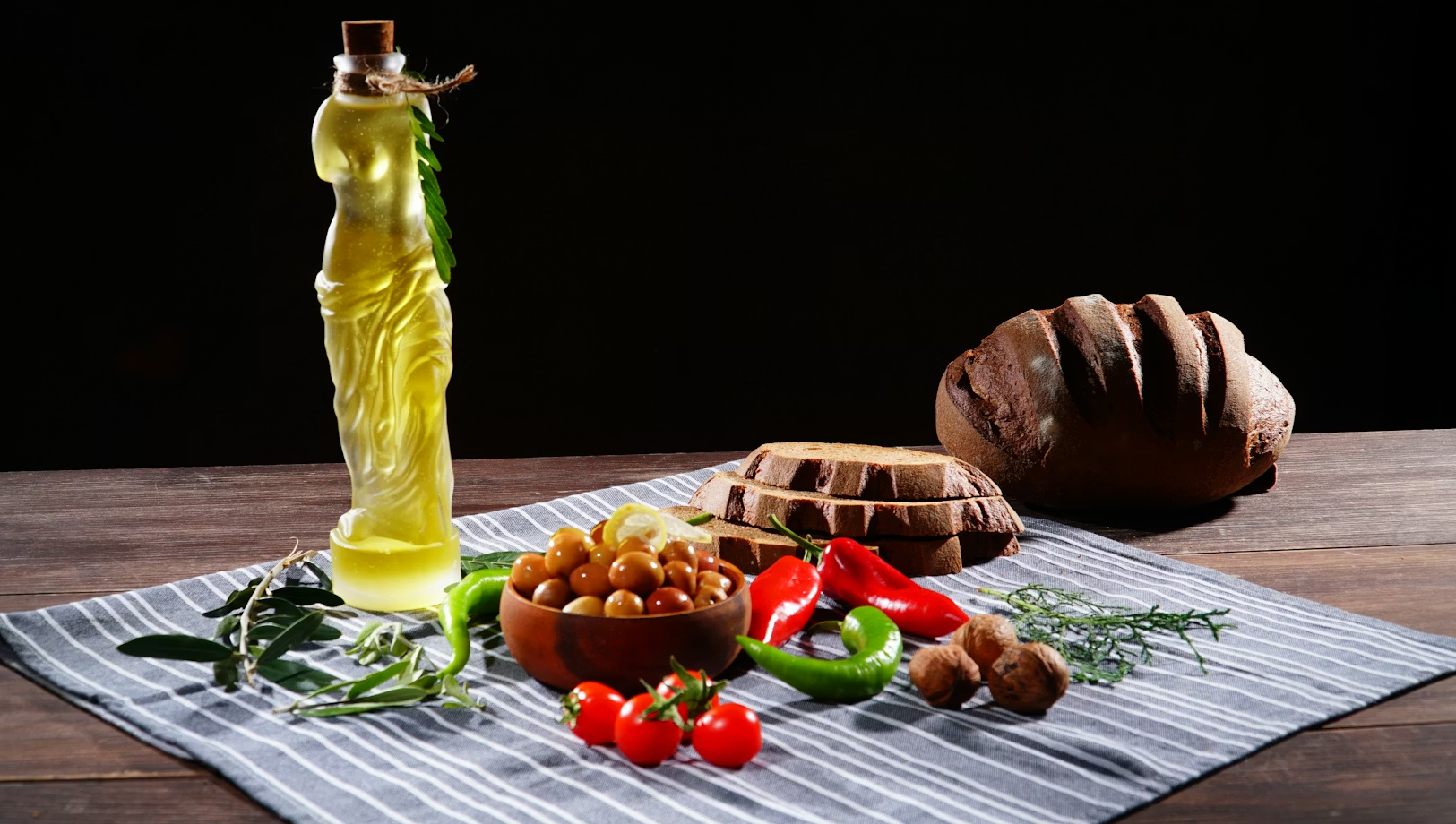
Singapore imports the majority of its olive oil from Mediterranean countries such as Spain, Italy, and Greece, ensuring a diverse range of flavours and quality grades are accessible to consumers. This variety allows chefs and home cooks to select oils that suit their culinary needs, from light, fruity notes to robust, peppery flavours.
Retail availability has expanded significantly, with supermarkets, gourmet food stores, and speciality shops offering multiple options in terms of volume, packaging, and price points. This accessibility has contributed to olive oil becoming a kitchen staple in both households and restaurants, reflecting the city’s openness to global culinary influences and the growing sophistication of its food culture.
Sustainability and Ethical Considerations
The surge in olive oil consumption has also brought attention to sustainability and ethical production. Singaporean consumers are increasingly mindful of the environmental impact of their purchases, favouring products sourced from organic and responsibly managed farms. Olive oil brands that adhere to sustainable cultivation and fair trade practices appeal to socially and environmentally conscious shoppers, further enhancing the product’s reputation.
Educational campaigns by local authorities and culinary organisations have heightened awareness of responsible sourcing, encouraging consumers to consider ethical factors alongside flavour and quality. As a result, sustainably produced olive oil is increasingly viewed as both a culinary and ethical choice, reflecting a broader trend towards conscious consumption.
Culinary Innovation and Trends
In contemporary gastronomy, olive oil is no longer limited to traditional use. Chefs in Singapore are experimenting with infusions, incorporating herbs, spices, and aromatics to create unique flavour profiles that elevate dishes. Food festivals, cooking competitions, and culinary events provide platforms for showcasing these innovations, inspiring both professionals and home cooks to explore creative applications beyond dressings and sautéing.
Such experimentation highlights olive oil’s versatility and reinforces its position as an ingredient capable of transforming ordinary meals into culinary experiences. Its integration into modern recipes demonstrates how traditional products can evolve with changing tastes while maintaining their health benefits and cultural relevance.
Conclusion
While olive oil’s roots lie in distant Mediterranean lands, its health benefits, versatility, and ethical considerations have secured its place in Singaporean kitchens. From home cooking to professional gastronomy, it is celebrated not only for flavour but also for its role in promoting healthier diets and sustainable consumption. With continued interest in premium, diverse, and ethically sourced oils, olive oil has transcended its role as a simple cooking ingredient, becoming a central component of Singapore’s modern culinary culture.