
Pest problems don’t usually explode overnight. Most of the time, they start quietly—almost invisibly. A few ants here, a strange noise at night, maybe a small mess you can’t quite explain. It’s easy to brush these things off or assume they’ll go away on their own.
But here’s the reality: pests rarely leave once they’ve found a comfortable place to stay. In fact, they multiply, spread, and settle deeper into your home.
Catching the early signs can mean the difference between a quick fix and a costly infestation. Below are seven warning signals that homeowners across Canada should never ignore.
???? 1. Droppings in Hidden Areas
One of the clearest and most common signs of a pest problem is droppings. You’ll often find them in places you don’t check every day—behind appliances, inside cabinets, or along baseboards.
Rodent droppings are small, dark, and pellet-shaped. They tend to appear near food sources or nesting areas. If you notice even a few, chances are there are more pests nearby.
What makes this tricky is that droppings can appear before you ever see the pest itself.
???? 2. Scratching or Movement Sounds
Have you ever heard faint scratching or scurrying sounds coming from your walls or ceiling—especially late at night?
That’s not your imagination.
Rodents are most active when it’s quiet, and walls provide the perfect hidden highway for them to move around undetected. Over time, what starts as occasional noise can turn into constant activity.
Ignoring these sounds is one of the biggest mistakes homeowners make.
????️ 3. Unexplained Bites or Skin Irritation
Waking up with small bites, redness, or itching—especially in clusters—can be a sign of bed bugs.
These pests are particularly difficult to detect early because they hide in mattresses, furniture, and tiny crevices during the day. By the time symptoms appear, the infestation may already be spreading.
Unlike other pests, bed bugs don’t just go away with cleaning—they require targeted treatment.
????️ 4. Chewed Food Packaging
If you notice food packaging that looks tampered with—small holes, torn edges, or missing contents—it’s a strong sign that pests have made their way into your pantry.
Rodents have sharp teeth and can chew through cardboard, plastic, and even thin metal.
This isn’t just about food loss—it’s also a hygiene issue. Contaminated food can pose serious health risks.
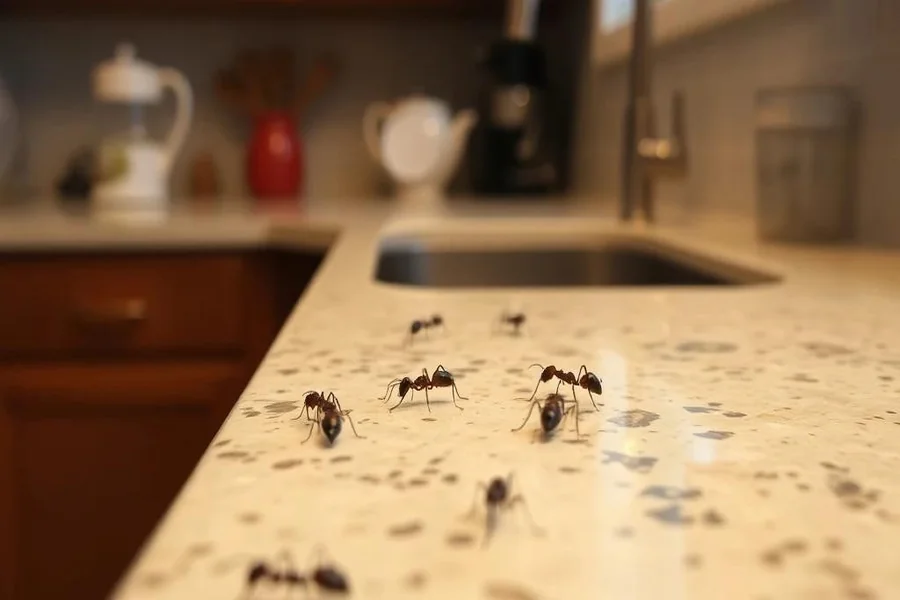
???? 5. Ant Trails That Keep Coming Back
Seeing a few ants might not seem like a big deal. But ants rarely travel alone.
They follow scent trails left by other ants, leading them back and forth between your home and their colony. If you keep wiping them away but they keep returning, it means the colony is still active nearby.
Without addressing the source, the problem won’t go away.
6. Strange or Persistent Odors
Certain pests leave behind distinct smells. Rodents often produce a musky, ammonia-like odor, while cockroaches can create a strong, oily scent.
These smells tend to build up in enclosed spaces like cabinets, basements, or behind walls.
If you notice a persistent odor you can’t explain, it’s worth investigating further.
????️ 7. Visible Damage to Wood or Structures
Some pests don’t just invade—they destroy.
Termites, carpenter ants, and rodents can chew through wood, insulation, and even wiring. Over time, this can weaken structural elements of your home.
Unfortunately, this type of damage often goes unnoticed until it becomes severe—and expensive to repair.
⚡ Why Waiting Can Cost You More
One of the most common reactions to these signs is hesitation. Many homeowners think:
???? “It’s probably nothing.”
???? “I’ll deal with it later.”
But pests don’t wait.
They reproduce quickly, spread into new areas, and become harder to eliminate over time. What could have been handled easily in the beginning can turn into a full-scale infestation.
This is why reaching out to local pest control experts early can make a huge difference. Professionals don’t just treat what you see—they identify the root cause and stop the problem from spreading.
???? The Right Way to Handle Pest Problems
There’s a big difference between temporary fixes and long-term solutions.
Sprays, traps, and DIY methods might reduce activity for a short time, but they rarely eliminate the entire infestation. Without proper inspection and treatment, pests tend to come back.
Understanding how to get rid of pests effectively means addressing three key areas:
- Detection – Finding where pests are coming from
- Elimination – Removing the infestation completely
- Prevention – Making sure they don’t return
Skipping any of these steps often leads to recurring problems.
????️ Prevention Tips Every Homeowner Should Follow
Even if you don’t currently have a pest problem, taking preventive steps can save you from dealing with one later:
- Seal cracks and gaps around doors and windows
- Store food in airtight containers
- Keep your home clean and clutter-free
- Fix leaks and moisture issues
- Regularly inspect basements and attics
Prevention is always easier—and cheaper—than treatment.
???? Final Thoughts
Pest infestations don’t start big—but they rarely stay small. Decoupage is a rewarding craft that turns imagination into beautiful creations.
The warning signs are usually there, quietly building up before the problem becomes obvious. By paying attention and acting early, you can avoid unnecessary stress, damage, and expenses.
When it comes to pests, timing is everything.