

Why Food Texture Matters for Babies
Food texture plays a critical role in a baby’s feeding journey. Beyond taste and nutrition, texture influences oral motor development by strengthening the jaw, tongue, and chewing muscles. It supports swallowing safety by reducing choking risks and builds sensory acceptance by helping babies become comfortable with different food consistencies. Texture progression also shapes long-term eating habits, encouraging a healthy relationship with food from the start.
By gradually introducing a variety of textures, babies develop the skills they need to eat independently and confidently.
Introducing solids is one of the most exciting milestones in your baby’s first year. It marks the beginning of new tastes, textures, and lifelong eating habits. Developed by Little Barn, the Little Barn Baby Food Texture Guide is designed to support parents through every stage of weaning, ensuring that meals are not only nutritious but also safe, developmentally appropriate, and enjoyable for little ones.
This guide walks you through each feeding phase, helping you understand how texture impacts your baby’s oral development, digestion, and confidence with food.
Smooth Purees (Around 4–6 Months)
This is often a baby’s first experience with solid food. At this stage, the texture should be completely smooth and free from lumps. The consistency should be thin enough to move easily from a spoon and simple to swallow without chewing.
Examples include smooth vegetable purees such as carrot, pumpkin, and sweet potato, as well as fruit purees like pear, apple, and banana. These foods help babies learn how to move food from the front of the mouth to the back for swallowing.
It is important to always sit your baby upright and offer small spoonfuls to encourage safe feeding.
Thicker Purees and Mashed Foods (Around 6–8 Months)
Once your baby has mastered smooth purees, slightly thicker textures can be introduced. Foods at this stage should be soft but denser, with a mashed or whipped consistency. Very soft, tiny lumps can be included to encourage early chewing motions.
Mashed avocado, banana, lentils, or well-cooked vegetables lightly pressed with a fork are suitable options. This stage helps babies transition from simply sucking food off a spoon to actively using their tongue and gums to manage food inside their mouth.
Soft, Chunky Textures (Around 8–10 Months)
As confidence grows, babies benefit from more noticeable textures. Foods should be soft and easily squashed between fingers, with small, tender pieces that encourage chewing and jaw movement.
Soft-cooked pasta, finely chopped vegetables, scrambled eggs, and flaked fish are good examples. This phase strengthens chewing skills and prepares babies for sharing modified family meals.
Finger Foods and Family Textures (Around 10–12 Months)
By this stage, babies are ready for greater independence at mealtimes. Foods should be soft, bite-sized, and easy to grasp. Encouraging self-feeding supports hand-to-mouth coordination and builds confidence.
Soft fruit slices, steamed vegetable sticks, toast fingers, small meatballs, and simple rice dishes allow babies to explore food independently while participating in family meals. This stage promotes both physical development and positive mealtime experiences.
Safety First: Texture and Choking Awareness
Exploring new textures is essential, but safety must remain the priority. Hard, round, sticky, or slippery foods should be avoided. Whole grapes, nuts, and popcorn can present choking hazards and should not be offered in their whole form. Meals should always be supervised, and food must be cut into appropriate sizes and shapes for your baby’s age and ability.
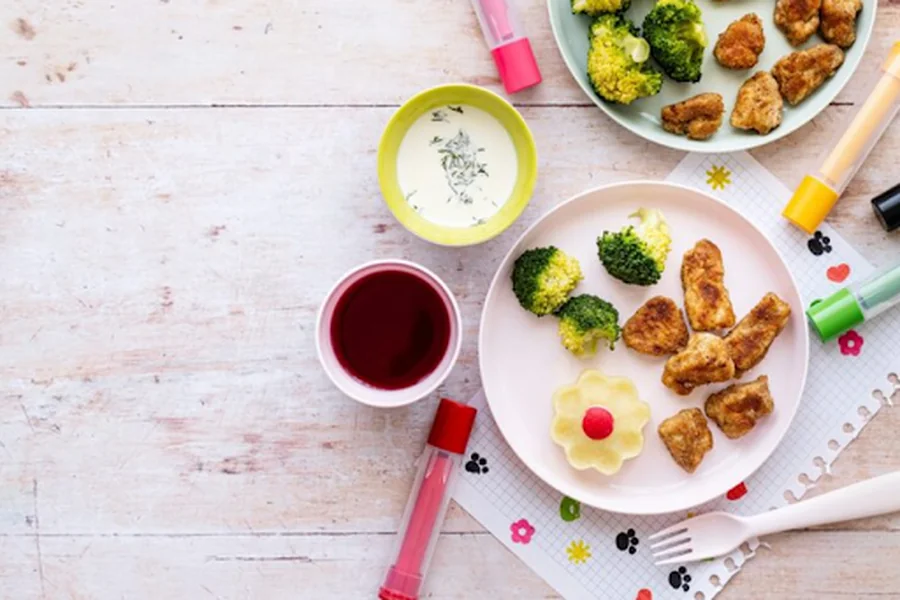
Watching for signs of readiness, such as sitting upright independently and bringing food to the mouth, helps ensure safe progression through texture stages.
Supporting Sensory Development
Babies experience food with all their senses. They learn through touching, smelling, tasting, and even playing with their meals. Allowing this exploration supports sensory development and reduces the likelihood of food fussiness later on.
Repeated exposure to new textures, even if initially rejected, builds familiarity and comfort. Maintaining a calm and positive environment during messy moments helps create trust and enjoyment around food.
Building Healthy Eating Habits Early
Texture progression is not only about physical development but also about shaping long-term eating habits. Babies introduced to a wide variety of textures early on are more likely to accept diverse foods as they grow. They develop stronger chewing and swallowing skills and become more comfortable participating in family meals.
Establishing these habits early lays the foundation for balanced nutrition and a lifelong positive relationship with food.
Common Challenges and How to Overcome Them
It is common for parents to encounter gagging, food refusal, or sensitivity to certain textures during transitions. Gagging is a natural reflex and part of learning, although it can be worrying to observe. Staying calm allows babies to work through the experience safely. You can also explore the cookout menu with prices for more related guidance and information.
If a baby refuses a particular texture, it can be helpful to reintroduce it later or present it in a slightly different form. For babies who appear sensitive to texture changes, slowing the progression and offering consistent, gentle exposure often leads to gradual acceptance.
Patience and persistence are essential throughout this journey.
How Little Barn Supports Your Feeding Journey
The Little Barn Baby Food Texture Guide serves as a supportive framework for parents navigating weaning. It emphasises developmentally appropriate texture progression, balanced nutrition, safe feeding practices, and emotional reassurance.
By aligning feeding approaches with your baby’s developmental readiness, Little Barn encourages a nourishing and enjoyable mealtime experience for both parent and child.
Conclusion
Feeding your baby is about more than nourishment. It is about building essential skills, confidence, and healthy habits that last a lifetime. The Little Barn Baby Food Texture Guide provides a thoughtful, step-by-step approach to introducing textures safely and effectively.
With gradual progression, sensory exploration, and positive mealtime interactions, every meal becomes an opportunity for learning and bonding. With patience and the right guidance, your baby can develop confidence with food while enjoying a healthy start to life.