
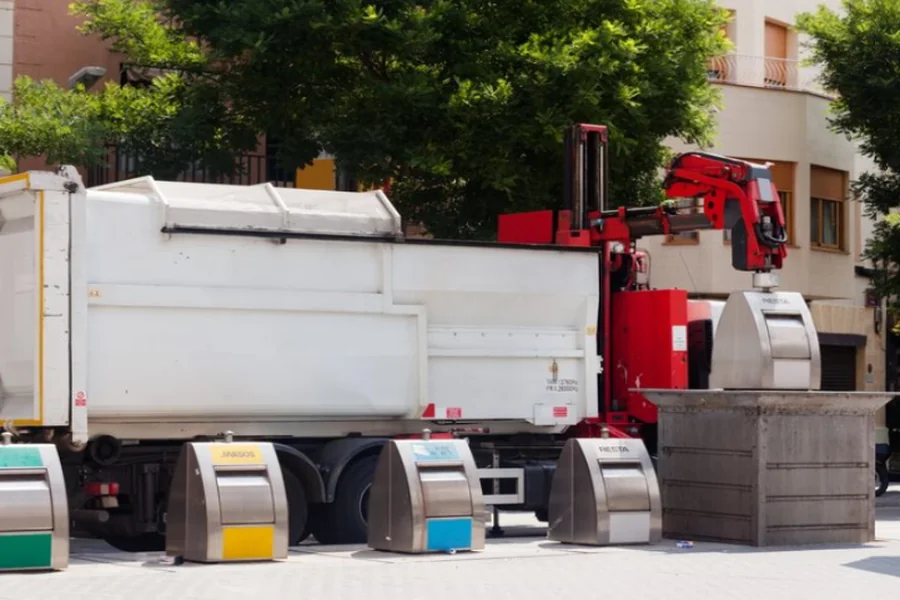

Waste management is an indispensable service in modern societies, ensuring clean, healthy, and sustainable urban and rural environments. A key part of this ecosystem is waste collection, which involves the systematic gathering, transportation, and disposal of waste materials. Across various countries, the approach to waste collection can differ significantly, reflecting local policies, cultural attitudes, and technological advancements. For instance, BNL offers waste collection services in Singapore, showcasing how specific companies tailor their operations to meet the urban needs of a densely populated and highly developed city-state.
The Evolution of Waste Collection Services
The historical development of waste collection services reveals a journey from rudimentary practices to sophisticated systems. In the past, waste was often simply discarded into the environment, with little consideration for environmental impact. However, the Industrial Revolution and subsequent urbanisation brought pressing challenges, prompting the need for organised waste management systems.
During the 19th and early 20th centuries, UK cities saw the establishment of municipal waste collection to address public health concerns. As environmental awareness grew, these systems evolved to include recycling and energy recovery. Today, the integration of technology and innovation fosters more efficient and sustainable methods of waste collection, such as smart bins, automated lorries, and data analytics.
Components of Effective Waste Collection
An effective waste collection system encompasses several key components:
- Infrastructure: Proper waste collection depends on robust infrastructure, including waste bins, collection vehicles, and transfer stations. These facilities must be strategically placed and well-maintained to ensure efficient operations.
- Logistics and Routes: Efficient logistics and routing are crucial for timely waste collection. Optimising collection routes reduces fuel consumption and emissions, enhancing the overall sustainability of the operation.
- Workforce: A skilled workforce is essential for handling waste safely and efficiently. Continuous training ensures that workers adapt to new technologies and safety protocols.
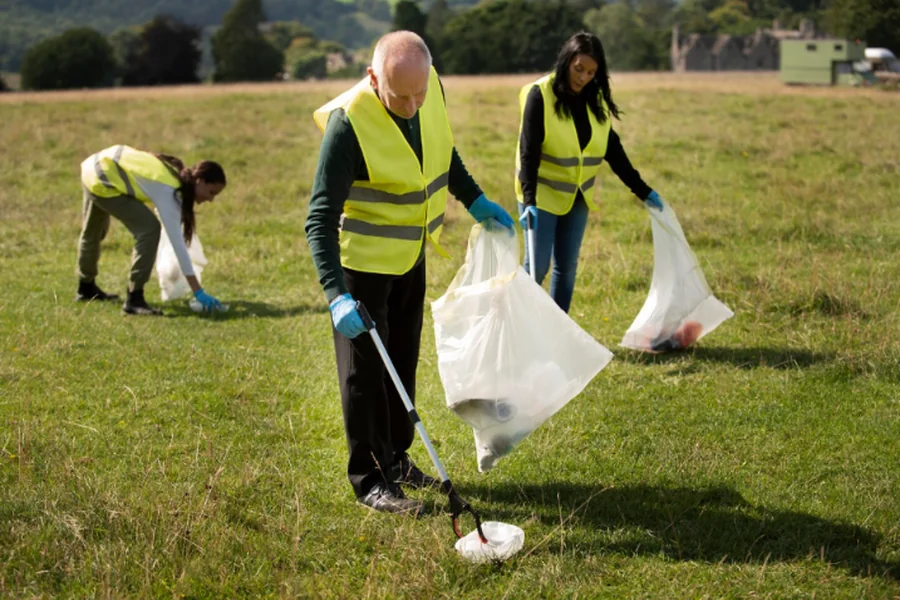
- Public Engagement: Educating the public about proper waste segregation and disposal plays a vital role in the success of waste collection services. Public participation helps reduce contamination in recyclables and improves the quality of waste processing.
Challenges in Waste Collection
Despite advancements, waste collection services face numerous challenges:
- Environmental Impact: The need to minimise the environmental footprint of waste collection is paramount. Reducing emissions from collection vehicles and employing eco-friendly practices are ongoing challenges.
- Cost Management: Operating waste collection services involves high costs. Striking a balance between efficient service delivery and cost-effectiveness is a complex task for local councils and private companies alike.
- Waste Composition: Variations in waste composition require adaptable strategies. With the increasing generation of electronic waste and complex materials, traditional collection methods often need updates.
- Technological Integration: Incorporating technology effectively remains challenging. While smart systems offer great potential, their implementation must be carefully planned and executed.
Innovations in Waste Collection
Innovation is driving the future of waste collection services:
- Smart Waste Bins: Equipped with sensors, smart bins provide real-time data on fill levels, enabling dynamic scheduling of collection routes. This technology improves efficiency and reduces unnecessary collections.
- Electric and Hybrid Vehicles: Transitioning to electric and hybrid waste collection vehicles reduces emissions, contributing to cleaner urban environments. Investments in such vehicles represent a commitment to sustainable operations.
- Data Analytics: Leveraging data analytics helps optimise operations. From route planning to equipment maintenance, data-driven decisions enhance the efficiency and sustainability of waste collection.
- Automated Waste Sorting: Automation in sorting facilities aids in the separation of recyclable materials, increasing recycling rates and overall efficiency.
Waste Collection in the UK
The United Kingdom has developed a comprehensive system for waste collection, prioritising sustainability and community involvement. Local councils typically manage waste collection services, following strict regulations and guidelines set by environmental authorities.
- Local Authority Services: Councils provide regular waste collection, recycling services, and special collections for bulky items and hazardous waste. Residents are encouraged to follow specific guidelines for waste segregation.
- Recycling Initiatives: An emphasis on recycling is evident across the UK, with numerous campaigns and incentives to promote household recycling. Collections for recyclables, such as paper, plastics, metals, and glass, are commonplace.
- Waste Hierarchy: The waste hierarchy of “Reduce, Reuse, Recycle” is a guiding principle for UK waste management policies. Collection services are designed to support this hierarchy, reducing landfill reliance.
- Community Engagement: Education and community involvement are critical to improving waste collection. Public campaigns and programmes aim to raise awareness and foster responsible waste practices.
Global Perspectives on Waste Collection
Globally, waste collection services vary widely, reflecting different economic, cultural, and technological contexts:
- Developing Countries: In many developing nations, informal waste collectors play a crucial role. However, the lack of formalised systems poses health and environmental risks.
- Developed Nations: Countries like Sweden and Germany boast advanced waste management systems, prioritising sustainability and high recycling rates through effective collection and processing.
- Emerging Technologies: Innovation is not confined to developed nations. Some developing regions are adopting innovative solutions like solar-powered waste bins and mobile apps to improve waste collection.
- International Cooperation: Collaboration across borders promotes the sharing of best practices and technologies, advancing waste collection methods globally.
Conclusion
The landscape of waste collection services is ever-evolving, driven by technological advancements and a growing emphasis on sustainability. Understanding the complexities and challenges involved is crucial for developing systems that are both efficient and environmentally responsible. As seen in places like Singapore and the UK, tailored approaches that consider local needs and capabilities result in effective waste collection services. The need for continuous innovation and public engagement remains key to the success of waste management efforts worldwide.