
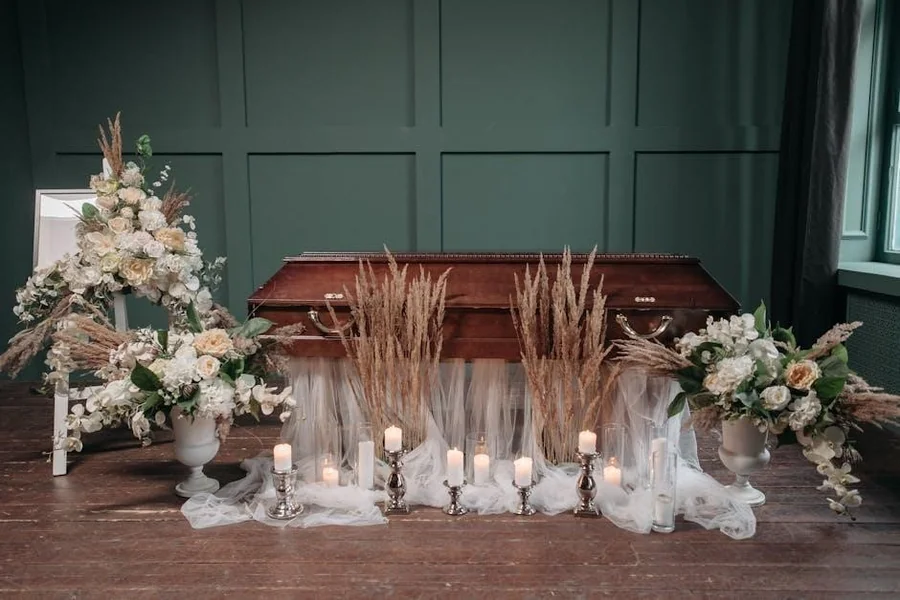

Flowers have been a cornerstone of expressions since time immemorial. Their role in conveying sympathy and offering condolences is deeply entrenched across various cultures. In Singapore, this symbolic gesture is especially prominent, with condolence flowers in Singapore playing a crucial role in reinforcing communal ties during times of grief.
Historical Roots of Floral Sympathies
The tradition of sending flowers as a means of expressing sympathy can be traced back centuries. Cultures all over the world have used flora to articulate sentiments that words often fail to capture. The Victorians were particularly known for their intricate language of flowers, where each bloom communicated a specific emotion or message.
In Singapore, where cultural diversity thrives, this tradition has adopted various forms, enriched by Malay, Indian, Chinese, and Western influences. Every ethnic group brings its unique interpretation of floral sympathy, which is harmoniously integrated into the nation’s fabric. The significance of flowers during funerals and memorials is reinforced by the symbolic meanings assigned to different blooms, as well as their aesthetic appeal.
Meaning Behind the Blooms
Flowers convey a wealth of messages through their colour, type, and arrangement. Each bloom chosen for a condolence arrangement carries specific connotations that can provide comfort and convey empathy.
– Lilies: Often associated with purity and the restored innocence of the departed soul, lilies are central to condolence arrangements.
– Chrysanthemums: In many Asian cultures, chrysanthemums denote mourning and are traditionally used in funerals.
– Roses: Depending on their colour, roses can communicate love, respect, and courage. For sympathy, white roses are often chosen for their associations with purity and reverence.
– Carnations: Especially popular in Christian and Buddhist funerals, carnations symbolise love and innocence.
Understanding the meanings behind these flowers can aid in selecting the appropriate arrangement that aligns with the cultural and personal preferences of the bereaved, thus adding depth to the gesture of sympathy.
Making the Right Choice in Singapore
When it comes to selecting condolence flowers in Singapore, several floral services cater to this delicate need. The cultural melting pot that is Singapore dictates a sensitivity to the preferences and traditions of different communities. These preferences can guide the selection process, ensuring that the gesture is both heartfelt and respectful.
One should consider the cultural background of the deceased’s family when choosing flowers. For instance, while chrysanthemums are widely used in Asian funerals, other communities may prefer different blooms or arrangements. Furthermore, certain customs may dictate the colours used; for instance, white flowers are universally accepted as a symbol of mourning across many cultures.
The Role of Floral Arrangements
Floral arrangements are pivotal in expressing condolences, reflecting both cultural sentiments and personal messages. Arrangements can range from simple bouquets to elaborate wreaths and stands. The choice often depends on one’s relationship with the deceased and the family, as well as the intended message. Some arrangements are designed to be prominently displayed during the funeral or wake, serving as a visual token of sympathy.
Moreover, floral arrangements can bear messages of hope and spiritual renewal, featuring blooms that symbolise specific virtues or sentiments. They not only offer comfort to the bereaved family but also provide attendees a means to outwardly express their respect and admiration for the deceased, fortifying the communal spirit during sorrowful times.
Modern Trends in Condolence Flowers
While traditional flowers and arrangements maintain their significance, modern trends have begun to influence how condolences are expressed through flora. Some people opt for minimalist designs, focusing on a single type of flower or a monochromatic scheme, while others prefer vibrant arrangements that celebrate the life of the deceased.
Sustainability has also emerged as a key factor, with many opting for arrangements that are environmentally friendly. This includes the use of locally sourced flowers or arrangements that can be repurposed or composted after the funeral. Such practices reflect a growing awareness and sensitivity towards the environment, aligning with broader global movements.
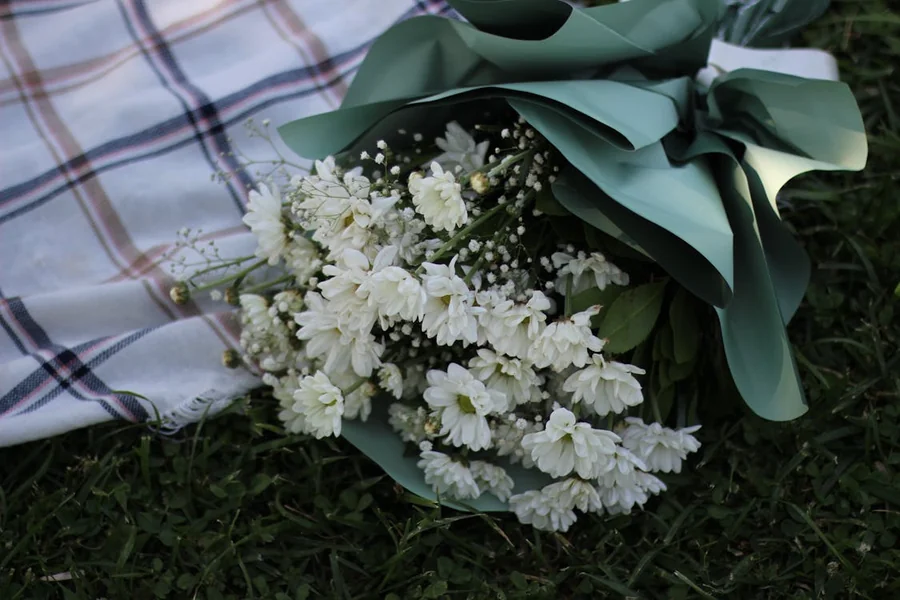
Ordering Condolence Flowers in Singapore
Navigating the array of options for ordering condolence flowers can be daunting in the face of loss. Fortunately, many local florists come equipped with the cultural knowledge and expertise necessary to guide customers through this process. Options vary from handcrafted bouquets to bespoke arrangements tailored to specific cultural practices and personal preferences.
With many providers offering online services, placing an order for condolence flowers has become a seamless experience. Customers can view and select from a variety of arrangements, ensuring that their chosen tribute is both fitting and delivered promptly. Trusted online platforms such as the reliable condolence flowers in Singapore offer a wide range of arrangements suited for different traditions and personal preferences.
Customary Practices and Etiquette
Each culture has its nuanced customs and etiquette regarding condolence flowers. In some traditions, bringing flowers to the wake is customary, while in others, it might be more common to send them directly to the bereaved family’s home. Understanding these practices can prevent unintentional faux pas during a delicate time. Engaging with florists familiar with these customs can also ensure that the gestures are impeccably appropriate.
Furthermore, people might include a sympathy card with a personal message, adding another layer of meaning to the floral tribute. This practice offers an opportunity to convey personal sentiments and memories, fostering connection and solace during a challenging period.
By appreciating the cultural importance and the intricate meanings surrounding condolence flowers, individuals can participate meaningfully in the shared experience of mourning and remembrance.