
The world of Korean alcohol offers a captivating journey into centuries of tradition and craftsmanship. Imported Korean alcohol shops serve as gateways to this rich cultural landscape, presenting a wide range of spirits that reflect Korea’s unique heritage. Consumers visit an imported Korean alcohol shop to discover authentic selections that are not easily found in mainstream retail outlets. From time-honoured brewing methods to innovative modern interpretations, each beverage embodies a story, inviting enthusiasts to explore flavours that are both distinct and culturally significant.
A Legacy of Korean Spirits
Korean alcoholic beverages carry profound historical and cultural significance. Iconic drinks such as soju, makgeolli, and baekseju are more than mere refreshments; they are symbols of tradition, woven into the social and ceremonial fabric of Korean life.
Soju, a clear distilled spirit traditionally crafted from rice, wheat, or barley, enjoys widespread recognition internationally. In Korea, it is an essential companion to celebrations, communal meals, and rites, celebrated for its smoothness and moderate alcohol content. Over centuries, soju has evolved from a high-proof rice distillate to a lighter, more accessible spirit, remaining a central fixture in Korean dining culture.
Makgeolli, the country’s oldest alcoholic beverage, offers a contrasting experience. This milky, slightly sweet rice wine, low in alcohol, has recently gained popularity among those seeking a more exotic taste. Rich in probiotics and traditionally home-brewed, makgeolli demands a careful balance of rice, nuruk (a fermentation starter), and water. Its distinctive texture and flavour reflect the meticulous craftsmanship of Korean brewers.
Baekseju represents another facet of Korean ingenuity. This herbal rice wine, infused with roots and herbs including ginseng, is traditionally believed to promote longevity, a notion reflected in its name, which translates to “100-year wine”. Each ingredient is selected with care, contributing both flavour and symbolic significance.
Craftsmanship and Cultural Depth
The production of Korean spirits is an art form that blends heritage and innovation. Fermentation techniques, ingredient selection, and herbal infusions are all designed to create beverages with complex profiles. The balance of flavours, aromas, and textures in these drinks demonstrates a profound understanding of both science and tradition, offering a sensory experience that extends beyond taste to cultural appreciation.
Herbal infusions, as seen in baekseju, illustrate the fusion of medicinal tradition and culinary artistry. The use of roots, herbs, and spices is not only intended to enhance flavour but also to convey cultural narratives and local wisdom, making each sip an insight into Korea’s historical and societal values.
Global Appeal and Modern Innovations
The global fascination with Korean culture, driven by the Hallyu Wave, has significantly influenced the popularity of Korean alcohol. As international audiences embrace Korean dramas, music, and cuisine, interest in traditional spirits has surged. In response, distillers have introduced creative variations while retaining authenticity.
Modern experimentation includes fruit-infused soju and flavoured makgeolli, blending traditional techniques with new ingredients to appeal to broader palates. These innovations expand the possibilities of Korean spirits without compromising their cultural essence, offering a bridge between heritage and contemporary tastes.
Discovering Korean Alcohol in Imported Shops
Imported Korean alcohol shops provide a curated environment for exploring both traditional and contemporary spirits. Enthusiasts can encounter a spectrum of offerings, from widely recognised soju brands to artisanal makgeolli and limited-edition experimental releases. Knowledgeable staff often guide visitors, sharing insights into brewing methods, ingredient origins, and pairing recommendations.
Tasting sessions in these shops offer more than a sampling of flavours; they provide an immersive educational experience, revealing the intricacies of Korean brewing and the cultural stories behind each bottle.
Pairings and Culinary Connections
Understanding Korean alcohol also involves appreciating its role in cuisine. Soju’s clean, neutral profile complements grilled meats such as samgyeopsal and bulgogi, while its crisp character balances spicy dishes. Makgeolli’s tangy, subtly sweet flavour pairs well with savoury pancakes, or jeon, and fermented vegetables like kimchi. Proper pairings highlight the harmonious relationship between beverage and food, enriching the culinary experience.
Cultural Etiquette and Social Significance
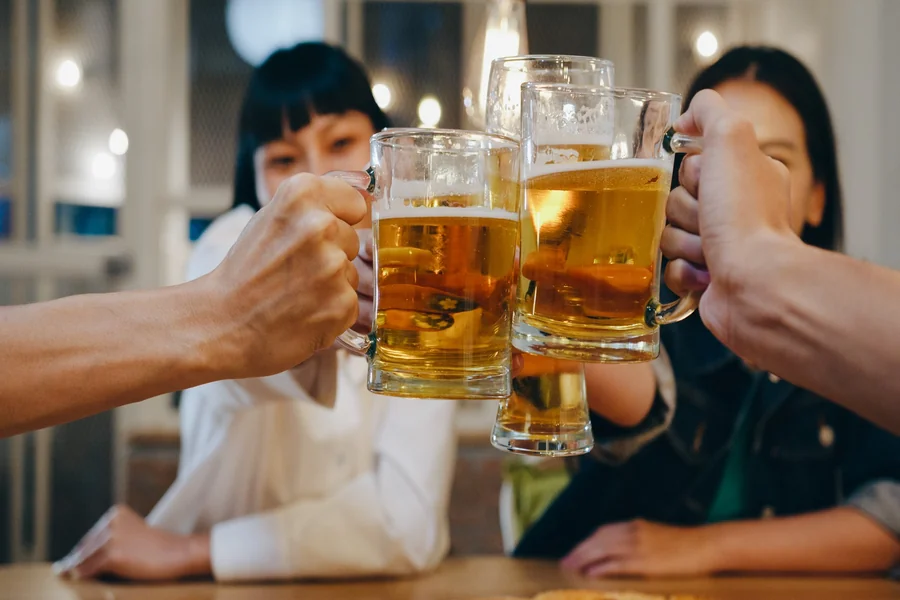
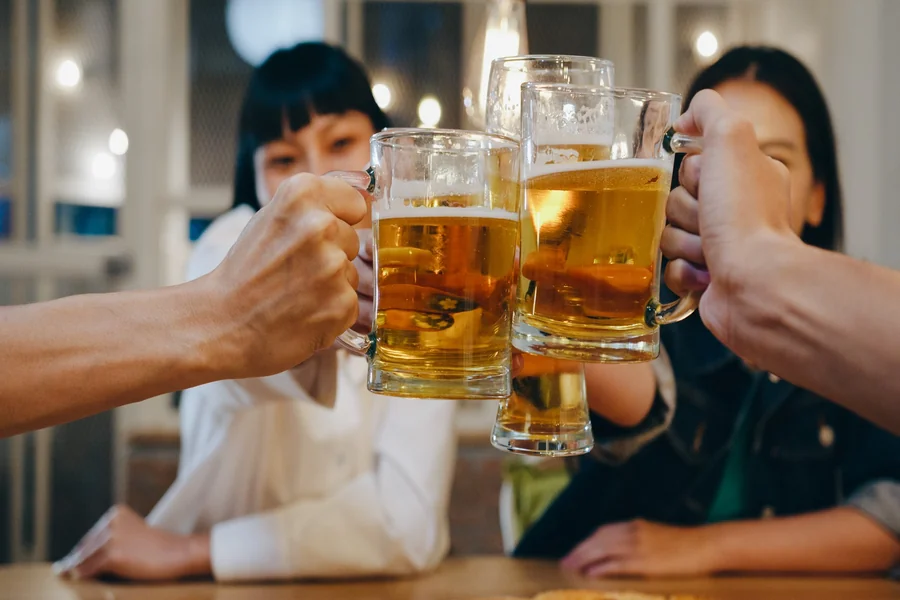
Engaging with Korean alcohol extends beyond taste, encompassing social customs and etiquette. Drinking rituals are integral to Korean culture. For instance, it is customary to pour for others before oneself, reflecting respect and reciprocity. Drinks are accepted with both hands, and younger individuals often turn away from elders while drinking. These practices transform alcohol consumption into a meaningful social act, highlighting respect and communal bonds.
Embracing a Global Curiosity
The growing global appreciation of Korean alcohol demonstrates a desire to connect with Korea’s cultural heritage. For novices and seasoned enthusiasts alike, visiting an imported Korean alcohol shop offers an enriching experience, one that combines taste, tradition, and education. These spaces allow people to engage with the depth of Korean culture through its unique spirits, fostering understanding and enjoyment that transcends borders.
In essence, Korean alcohol is more than a beverage. It is a vessel of history, craftsmanship, and cultural identity. Each bottle, whether traditional or modern, invites exploration, appreciation, and connection to the vibrant legacy of Korea’s drinking traditions.