
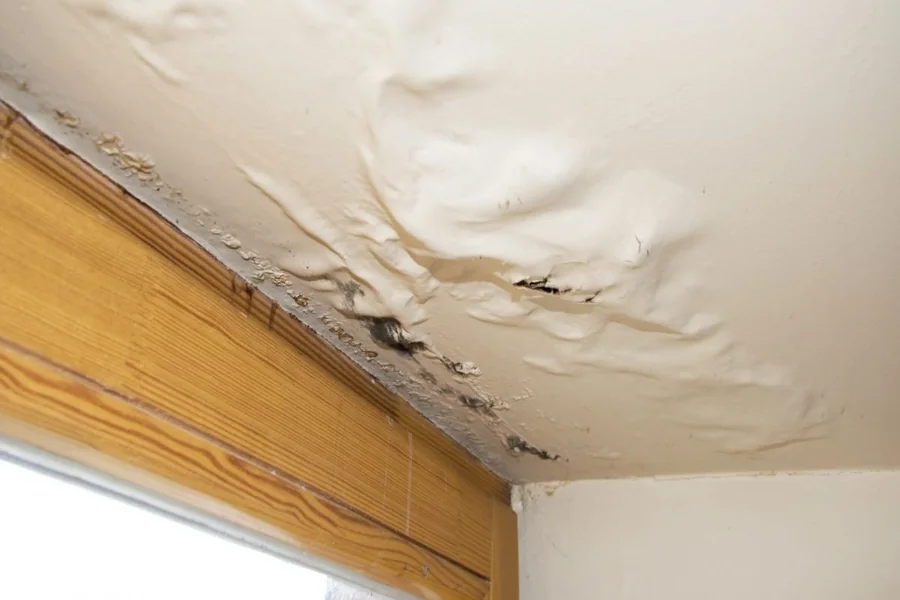
Hidden moisture rarely stays in one place. Once water gets into wall cavities or under flooring, it can travel along framing, wick through drywall, and pool in low spots where it remains out of sight. The damage is not always immediate, which is why leaks behind a sink or a slow roof drip can feel harmless at first. Over time, moisture softens materials, weakens adhesives, and creates conditions that allow odors and microbial growth. The spread depends on how the building is assembled, where gravity pulls water, and which materials can absorb and transport it. Understanding the pathways helps homeowners catch problems sooner and respond by stopping the movement rather than just drying the visible area.
Where water travels first
Capillary action and the wick effect
A major reason moisture spreads is capillary action, which is the tendency of water to move through tiny pores in materials. Drywall paper, wood fibers, grout, and some underlayments act like a wick, pulling moisture sideways and upward beyond the original wet spot. This is why a small leak at a sink supply line can show up as swelling at a baseboard several feet away, or why a wet patch on a ceiling can expand even after the drip slows. In walls, moisture often follows the path of least resistance along the back of drywall, then collects where it meets insulation or framing. Wood studs can absorb water, and the moisture can travel along grain lines and fastener points. In floors, water can move under planks or tile through seams, then wick into subfloor edges. The wick effect is strongest when materials remain damp for long periods because the constant supply allows moisture to continue migrating. Even when the surface looks dry, the core of drywall or the underside of flooring may still be wet, which continues to pull moisture into adjacent areas.
Beyond visible staining or warping, persistent dampness often originates from below the foundation, where ground vapor steadily migrates into structural cavities. This rising humidity creates a localized microclimate that accelerates the deterioration of subflooring and bottom plates long before symptoms reach eye level. Many homeowners find it beneficial to check this service when investigating whether a musty odor indicates a larger systemic issue within the building envelope. By addressing these foundational moisture sources, you prevent the recurring condensation cycles that typically fuel mold colonies inside wall voids. Maintaining a balanced indoor environment is essential, as even minor fluctuations in humidity can trigger significant structural damage over time.
Gravity, airflow, and hidden pooling zones
Gravity shapes moisture spread by pulling water downward through cavities and across structural elements. In a wall, a leak from an upstairs bathroom may run down the inside of the drywall until it hits a horizontal plate, a blocking piece, or a fire stop, then spread sideways until it finds an exit point. That exit point might be a light fixture opening, a baseboard gap, or a seam near a doorway. Under floors, water tends to move toward the lowest point, which might be a dip in the subfloor, a transition strip, or a spot near an exterior wall where framing is slightly lower. Airflow also plays a role. Warm air rising through a wall cavity can carry moisture as vapor, which then condenses on cooler surfaces, creating damp zones away from the original leak. This is why a small plumbing leak can create a larger damp area in winter, when temperature differences are greater. If the structure has multiple layers, such as tile over backer board over plywood, water can become trapped between layers and spread laterally. When the source is unknown or the spread is wide, Portland, OR Water Damage Specialists often focus on tracing the movement pattern so that drying efforts target the actual wet materials rather than just the visible stain.
Material differences that change the spread
Not all building materials move water the same way. Drywall tends to absorb and swell, and its paper facing can hold moisture that supports odor and staining. Wood framing can absorb moisture and expand, then shrink as it dries, which can create cracks and fastener movement. Insulation behaves differently depending on type. Fiberglass can retain water in the cavity and slow drying by blocking airflow, while cellulose can absorb water like a sponge and remain wet longer. Flooring systems add complexity. Laminate and engineered wood can swell at seams and edges, while vinyl may look fine on top but trap water underneath, keeping the subfloor wet. Tile floors can hide moisture because grout and thinset can retain water below the surface, and the water may travel until it reaches a crack or edge. Paint can slow evaporation, which sometimes helps contain the spread but can also trap moisture behind a surface, allowing hidden dampness to persist. The material mix determines whether moisture spreads quickly, stays localized, or becomes trapped and harder to remove.
Steps to Stop Hidden Spread
Hidden moisture spreads behind walls and floors through wicking, gravity-driven flow, and vapor movement that condenses in cooler zones. Drywall, wood, insulation, and layered flooring systems can pull water far from the original leak, creating wet areas that stay invisible until materials swell or stains appear. Because surface drying can hide deeper dampness, the most effective response is to locate the source, map the spread pattern, and dry the materials that are actually holding water. Early action reduces structural weakening, odor buildup, and costly finish repairs. When you treat moisture like a traveling problem rather than a single spot, you can stop the spread and restore the space more safely.