

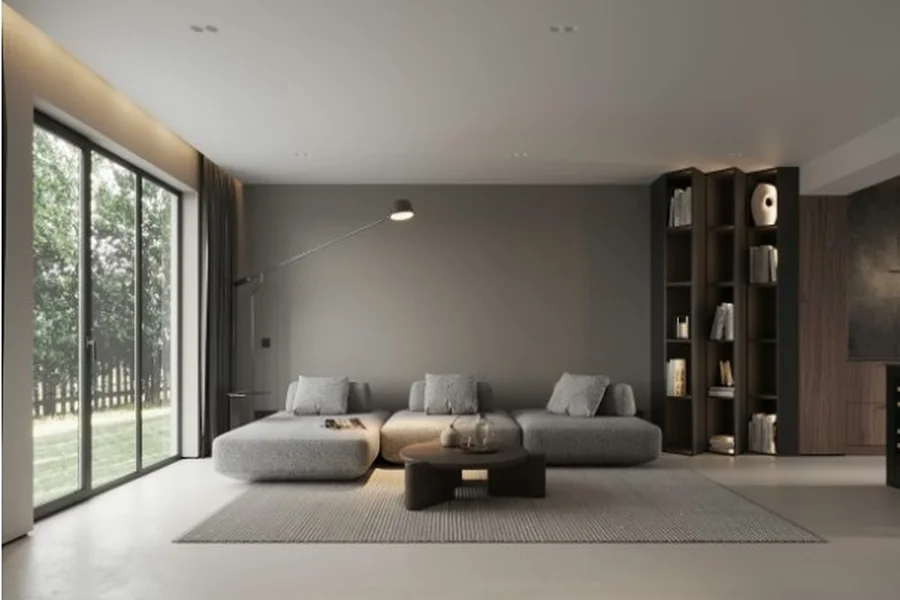
Creating a balanced living space involves more than choosing furniture and paint colours. For inspiration and curated design solutions, many homeowners visit Aratamete to explore refined soft furnishing options that enhance both comfort and style. Curtains, blinds, and rugs also play an important role in how a room looks and feels. When these elements are chosen carefully and work well together, they help create a space that feels complete and comfortable.
Understanding the Room
Before selecting fabrics and finishes, it is important to look closely at the room. Consider its size, layout, natural light, and existing colours. Bright rooms with plenty of sunlight can handle darker shades without feeling small. In contrast, smaller or darker rooms usually benefit from lighter colours that reflect light and make the space feel larger.
It is also helpful to identify the main colours already present. These may come from walls, flooring, or large pieces of furniture. Choosing curtains, blinds, and rugs that match or complement these colours will create a smoother and more organised look.
Curtains: Softness and Function
Curtains are both practical and decorative. They provide privacy, control light, and soften the look of windows. The type of fabric, colour, and length all affect the overall style of the room.
Choosing Fabric
Thicker fabrics, such as velvet or heavy woven materials, give a more formal and traditional feel. Lighter fabrics like cotton or linen create a relaxed and airy look. In rooms with many different textures, a simple curtain fabric helps avoid too much detail. In plainer rooms, slightly textured curtains can add interest without being too bold.
Layering curtains can also be useful. A sheer layer allows natural light to enter during the day, while a heavier layer can be closed at night for privacy.
Colour and Pattern
Curtains should support the room’s colour scheme. If the walls and furniture are neutral, patterned curtains can add character. However, if the room already has strong colours or patterns, plain curtains in a matching shade will keep the space calm and balanced.
It is important to keep undertones consistent. Warm colours work best with other warm shades, while cool colours pair better with cool tones.
Length and Placement
Floor-length curtains often suit living rooms and bedrooms, giving a neat and finished look. Shorter curtains are more practical in kitchens and bathrooms.
Installing the curtain pole slightly wider than the window allows more light in when the curtains are open. Hanging curtains a little higher can also make ceilings appear taller.
Blinds: Clean and Practical
Blinds offer a simple and modern look. They are especially useful for controlling light and privacy. In some cases, blinds and curtains can be used together for better flexibility.
Types of Blinds
Roller blinds are simple and work well in kitchens and bathrooms. Roman blinds are made of fabric and add softness, making them suitable for bedrooms and living areas. Venetian blinds, often made from wood or metal, allow easy adjustment of light. Vertical blinds are practical for large windows or sliding doors. The right choice depends on the room’s purpose and style.
Using Blinds with Curtains
Blinds and curtains can be combined for both style and function. For example, roller blinds can provide privacy, while sheer curtains soften the overall look.
When pairing them, colours should match or complement each other. Neutral blinds with slightly textured curtains create a layered look without making the room feel busy.
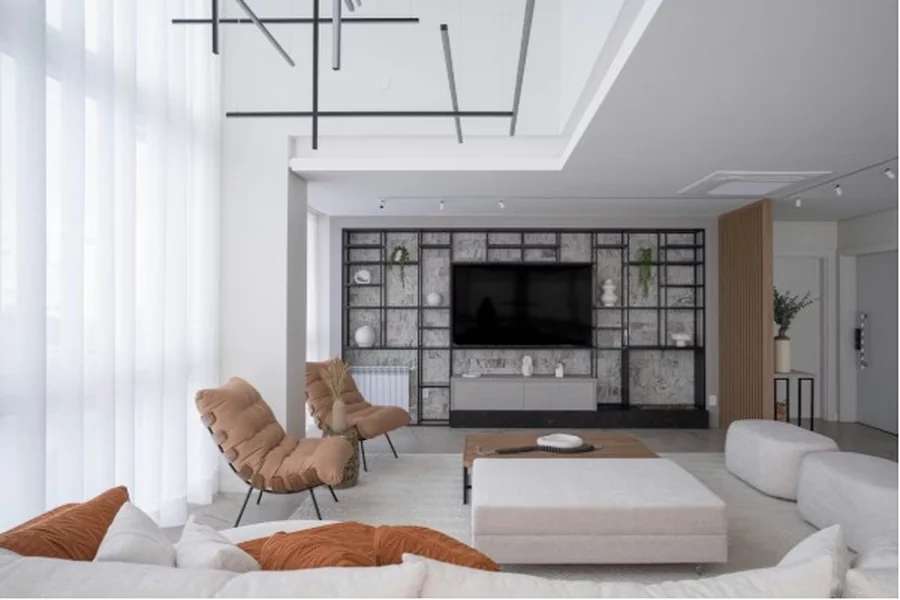
Rugs: Bringing the Room Together
Rugs help define areas, add warmth, and connect furniture pieces. A well-chosen rug can tie together the colours of curtains, blinds, and other furnishings.
Choosing the Right Size
Size is very important. A large rug that sits under main furniture pieces, such as sofas and tables, makes the space feel connected. A rug that is too small can make the room feel unfinished.
In open-plan spaces, rugs can also help define different areas, such as a seating area or dining space.
Colour and Pattern
A rug can match colours already used in the room or introduce a gentle contrast. For a calm look, choose a rug that repeats tones found in the curtains or cushions. For a more lively effect, select a rug that highlights a secondary colour in the space.
If the curtains are patterned, a plain rug may work best. If the curtains are simple, a patterned rug can add interest. Mixing patterns is possible, but they should differ in size and not compete with each other.
Matching with Furniture
Curtains, blinds, and rugs should suit the style of the furniture. Wooden furniture often pairs well with natural fabrics like linen and woven rugs. Modern furniture may look better with clean-lined blinds and simple rugs with subtle patterns.
The materials used throughout the room should feel connected. For example, natural textures can be combined for a warm look, while smooth surfaces and simple fabrics suit a modern design.
Using Texture for Depth
Texture adds depth, especially in neutral rooms. Combining different materials such as wooden blinds, soft curtains, and wool or jute rugs creates interest without relying only on colour.
However, balance is important. Too many heavy fabrics or bold textures can make the space feel crowded. Keeping a mix of light and heavier materials helps maintain comfort and simplicity.
Creating a Balanced Space
A well-designed room feels organised and comfortable. Curtains frame the windows, blinds manage light, and rugs anchor the furniture. When colours, sizes, and textures are chosen with care, these elements support each other and improve the overall look.
By focusing on balance and coordination, it is possible to create a living space that feels both practical and visually pleasing. Thoughtful choices ensure the room feels complete, without appearing overdone.