

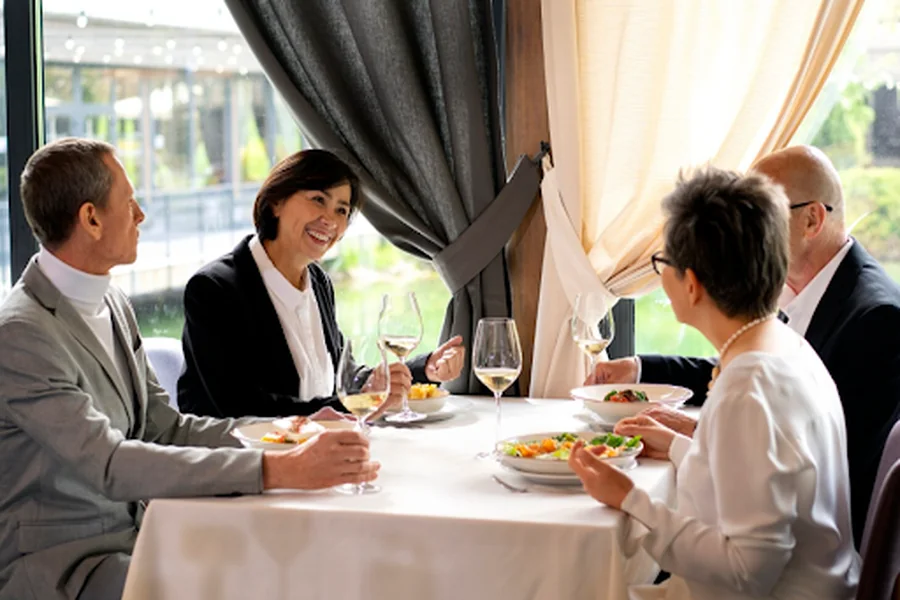
Corporate dinners have evolved far beyond formal gatherings held in hotel ballrooms. Hosting a corporate dinner at CÉ LA VI Singapore offers companies a distinctive setting that combines fine dining with a sophisticated atmosphere and panoramic city views. Today, businesses use these events as strategic tools to strengthen relationships, reward employees, impress clients, and reinforce brand identity. Whether organised for annual celebrations, product launches, partner meetings, or executive networking, a well-planned corporate dinner reflects professionalism and attention to detail.
Understanding current trends in venues, menu planning, and event styling helps companies create memorable experiences that leave lasting impressions. This guide explores how corporate dinners are changing and how businesses can plan successful events in today’s competitive environment.
The Growing Importance of Corporate Dinners in Business Culture
Corporate dinners play an important role in building trust and fostering communication outside formal office settings. Sharing a meal encourages open conversations and helps strengthen professional relationships.
In many industries, these events are used to celebrate achievements, introduce new strategies, or acknowledge loyal partners. A thoughtfully organised dinner shows appreciation and commitment, improving morale and brand perception.
As workplace cultures become more people-focused, corporate dinners are increasingly designed to be engaging, inclusive, and meaningful rather than purely formal.
Choosing the Right Venue for a Corporate Dinner
Venue selection is one of the most important decisions when planning a corporate dinner. The location sets the tone for the entire event and influences guest experience.
Hotels and convention centres remain popular for large-scale functions due to their professional facilities and catering services. They are suitable for award nights, annual dinners, and corporate galas that require structured layouts and audiovisual support.
Restaurants and private dining spaces are preferred for smaller, more intimate gatherings. These venues offer personalised service and curated menus, making them ideal for executive meetings and client appreciation dinners.
Rooftop venues, waterfront locations, and heritage buildings are gaining popularity as businesses seek unique settings that stand out. These venues create a relaxed yet sophisticated atmosphere and enhance the overall event appeal.
Accessibility, parking availability, capacity, and technical facilities should always be considered when finalising a venue.
Menu Planning Trends for Corporate Dinners
Modern corporate dinner menus focus on balance, inclusivity, and presentation. Businesses now recognise that food quality plays a major role in guest satisfaction.
Customised menus are becoming more common. Instead of fixed set meals, many organisers work with chefs to design dishes that reflect company values, cultural preferences, or event themes.
Dietary inclusivity is also a major trend. Vegetarian, vegan, halal, gluten-free, and allergy-friendly options are now standard expectations. Providing clear menu labels helps guests feel comfortable and respected.
Health-conscious choices are increasingly popular. Lighter meals, fresh ingredients, and reduced-sugar desserts appeal to guests who prioritise wellness.
Interactive dining experiences, such as live cooking stations or tasting menus, are sometimes introduced to make events more engaging. These elements encourage conversation and enhance the overall experience.
Beverage Selection and Responsible Hosting
Beverage planning is just as important as food selection. Corporate dinners often include wine, cocktails, and non-alcoholic options to suit different preferences.
Curated wine pairings and signature cocktails are popular for premium events, adding a touch of exclusivity. At the same time, offering high-quality mocktails and fresh juices ensures non-drinkers feel included.
Responsible alcohol management remains essential. Professional service staff, clear drink limits, and sufficient food help maintain a respectful and safe environment.
Many companies now emphasise moderation to ensure professionalism throughout the event.
Event Styling and Visual Presentation
Event styling has become a key focus in modern corporate dinners. Visual presentation influences how guests perceive the brand and the overall quality of the event.
Minimalist and elegant designs are trending. Neutral colour palettes, soft lighting, and subtle branding create a refined atmosphere without overwhelming guests.
Customised décor elements, such as branded table cards, digital displays, and themed centrepieces, help reinforce company identity. These details should feel natural rather than promotional.
Lighting plays a significant role in mood creation. Warm lighting encourages relaxation, while adjustable lighting supports speeches and presentations.
Table settings are also receiving more attention. High-quality linens, modern tableware, and thoughtful arrangements contribute to a polished appearance.
Technology Integration in Corporate Dinners
Technology is now an integral part of corporate event planning. Many dinners incorporate digital tools to improve engagement and efficiency.
LED screens, projectors, and sound systems are used for presentations, award announcements, and video highlights. Clear visuals and sound quality enhance professionalism.
Event apps and QR codes are sometimes used for registration, seating arrangements, and feedback collection. These tools simplify coordination and provide useful post-event insights.
Live social media displays and digital photo booths help increase online visibility and encourage guest participation.
When used appropriately, technology adds value without distracting from personal interactions.
Sustainability and Eco-Friendly Practices
Sustainability is becoming an important consideration for corporate dinners. Many companies now aim to reduce environmental impact through responsible event planning.
Eco-friendly practices include using reusable décor, minimising food waste, sourcing local ingredients, and avoiding single-use plastics. Some venues also support composting and recycling initiatives.
Sustainable choices reflect corporate social responsibility and appeal to environmentally conscious stakeholders. They also enhance brand reputation in competitive markets.
Businesses increasingly work with event partners who share similar sustainability values.
Budget Management and Cost Control
Effective budget management ensures that corporate dinners remain financially sustainable without compromising quality.
Clear cost planning includes venue fees, catering, décor, entertainment, technical support, and contingency funds. Transparent quotations help avoid unexpected expenses.
Many organisers prioritise value rather than luxury. Investing in guest comfort, food quality, and smooth coordination often delivers better returns than extravagant decorations.
Negotiating package deals and booking early can help control costs while maintaining high standards.

Common Mistakes to Avoid in Corporate Dinner Planning
Several common mistakes can affect the success of corporate dinners. Overcrowded seating arrangements, poor sound systems, and unclear schedules often lead to guest dissatisfaction.
Ignoring dietary needs and accessibility requirements can also damage reputation. Guests should feel welcomed and respected regardless of their preferences or physical needs.
Another mistake is overloading the programme with long speeches. Balanced schedules that allow networking and relaxation are more effective.
Lack of contingency planning for weather, technical issues, or last-minute changes can create unnecessary stress. Experienced planners always prepare backup solutions.
Final Thoughts
Corporate dinners are no longer simple formalities. They are carefully curated experiences that reflect company culture, professionalism, and values. By selecting suitable venues, designing inclusive menus, applying thoughtful styling, and using technology wisely, businesses can create impactful events that strengthen relationships and enhance brand image.
With proper planning and attention to detail, corporate dinners become meaningful occasions that contribute to long-term business success.
FAQs
How far in advance should a corporate dinner be planned?
Most corporate dinners should be planned at least two to three months, especially for large events or popular venues.
What is the ideal guest size for a corporate dinner?
There is no fixed number. Small executive dinners may involve ten to twenty guests, while annual events can host several hundred participants.
Should companies hire professional event planners?
For large or high-profile events, professional planners help manage logistics, vendors, and risk, ensuring smoother execution.
How can companies measure the success of a corporate dinner?
Success can be evaluated through guest feedback, attendance rates, engagement levels, and post-event relationship outcomes.