
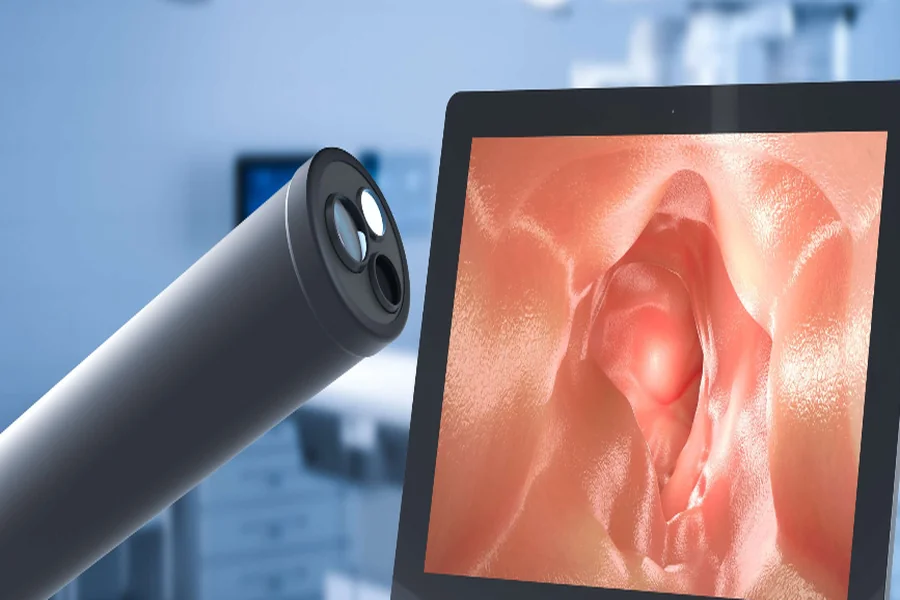

The field of gastroenterology involves a range of specialists dedicated to diagnosing and treating conditions affecting the digestive tract. At the heart of this integral medical discipline is the colonoscopy specialist, a professional skilled in conducting colonoscopies, a crucial procedure used to examine the inner lining of the colon and rectum. With expertise in detecting colorectal abnormalities, these specialists play a pivotal role in the early detection of colorectal cancer, a common yet preventable disease. The colonoscopy is a vital tool not only for diagnosing cancer but also for identifying polyps and other gastrointestinal issues that may otherwise go unnoticed.
What is a colonoscopy?
A colonoscopy is a medical procedure wherein a long, flexible, tubular instrument called a colonoscope is inserted through the rectum to gain a comprehensive view of the colon’s interior. This procedure is widely regarded as the gold standard for colorectal cancer screening, providing real-time imagery and enabling immediate intervention if necessary. The colonoscopy allows for the identification and removal of polyps before they develop into malignant tumours, significantly reducing cancer risk.
Training and Expertise Required
Colonoscopy specialists, often trained gastroenterologists, undergo extensive education and practical training. After earning a medical degree, candidates must complete a residency in internal medicine, followed by a fellowship in gastroenterology. This training typically includes mastering advanced endoscopic techniques and a deep understanding of gastrointestinal pathophysiology. Continuous professional development is essential in keeping abreast of new technologies and refined methodologies to enhance patient outcomes further.
Technological Advances in Colonoscopy
Recent technological advancements have significantly improved the accuracy and comfort of colonoscopy procedures. High-definition imaging and advanced endoscopic tools have enhanced the specialist’s ability to detect minuscule lesions that may have been overlooked in the past. Innovations such as virtual colonoscopy, using CT scanning to create a three-dimensional view of the colon, are transforming diagnostic approaches, though traditional colonoscopy remains the most thorough method for both diagnosis and intervention.
The Importance of Colonoscopy in Cancer Prevention
Colorectal cancer is one of the most preventable cancers when detected early, and colonoscopy is a crucial tool in this preventive strategy. Screening guidelines suggest regular colonoscopies beginning at age 50 for average-risk individuals, with frequency adjustments based on personal and family medical histories. Colonoscopy specialists can efficiently identify precancerous conditions, and through polypectomy (polyp removal), they can halt progression to cancer. This proactive approach is vital in lowering colorectal cancer mortality rates.
Patient Experience and Preparation
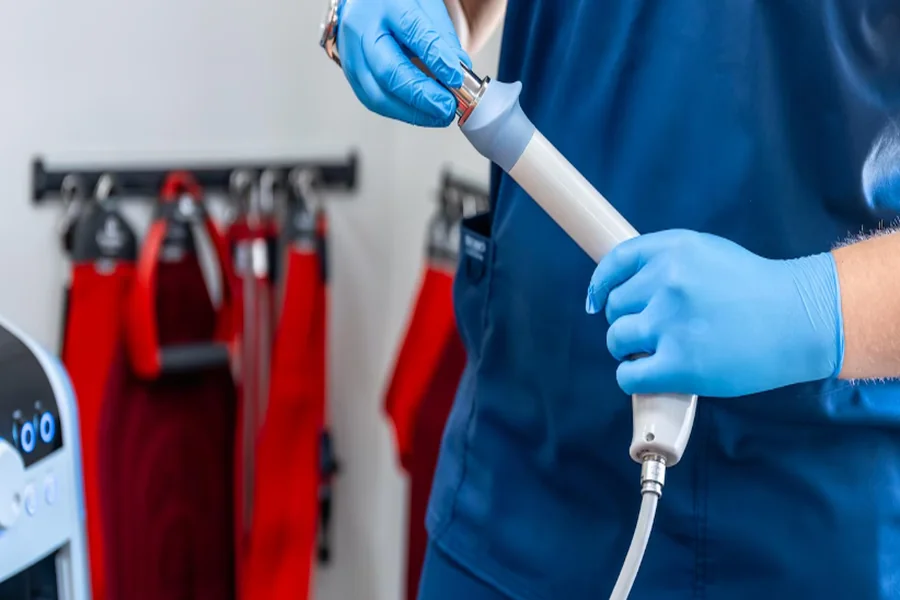
The idea of undergoing a colonoscopy may be daunting for many, yet understanding the process can alleviate anxiety. Preparation typically involves dietary restrictions and bowel cleanses to ensure the colon is adequately visible. On the day of the procedure, patients are often sedated to ensure comfort while the specialist meticulously examines the colon’s lining. Post-procedure, patients may experience mild cramping or bloating, but these symptoms generally subside quickly.
Addressing Misconceptions and Fears
Despite the life-saving potential of colonoscopy, misconceptions and fears often prevent individuals from seeking this vital screening. Concerns about discomfort, embarrassment, or complications are common yet can be mitigated by understanding the procedure’s safety and efficacy. Modern sedative techniques ensure minimal discomfort, and the procedure’s risk is remarkably low when performed by experienced specialists. Open discussions with healthcare providers can further dispel myths and encourage reluctant individuals to undergo screening.
The Role of Colonoscopy Specialists in Patient Education
Colonoscopy specialists are not only procedural experts but also educators who inform patients about their digestive health. They provide valuable insights into lifestyle adjustments to improve overall gastrointestinal wellbeing and counsel patients on recognising early symptoms of potential diseases. This educational aspect empowers patients to take active roles in their health management, promoting a collaborative approach to healthcare that benefits both the individual and the community.
Supporting an Informed Public
Increasing public awareness about the importance of regular colonoscopies and the role of colonoscopy specialists is essential to improve prevention and early detection of colorectal diseases. Public health initiatives and outreach programmes are instrumental in dispelling myths, highlighting the effectiveness of early screening, and encouraging routine check-ups. By fostering an informed public, healthcare systems can enhance patient participation in preventative care, ultimately reducing the prevalence of advanced colorectal diseases.
In a field where early detection can mean the difference between life and death, the expertise of colonoscopy specialists is indispensable. Diligent and compassionate, these specialists ensure that patients receive timely, accurate diagnoses, creating pathways to treatment and prevention. As medical advances continue to enhance procedural efficacy and patient comfort, the role of the colonoscopy specialist remains central to the battle against colorectal cancer.