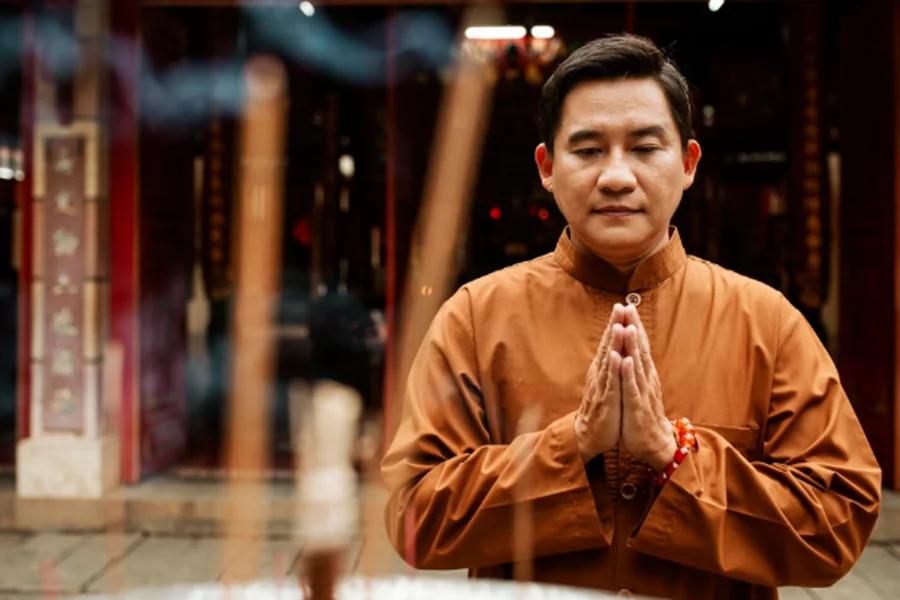

Buddhist funeral services in Singapore are steeped in tradition and cultural nuances, reflecting the rich tapestry of beliefs and practices originating from various strands of Buddhism. As a deeply spiritual process, these funerals are designed to honour the deceased, offering them passage to a favourable rebirth through meticulous rites and rituals. In the multicultural society of Singapore, these ceremonies also exhibit a blend of distinct regional practices, primarily drawn from Chinese, Thai, or Sri Lankan Buddhist traditions.
The Significance of Death in Buddhism
In Buddhism, death is viewed as a crucial transition rather than an end. It represents a cyclical journey through samsara, the cycle of birth, death, and rebirth. This cyclical understanding of existence strongly influences the nature of Buddhist funerals, which aim to ensure a smooth passage to the next life and foster merit for the deceased. This merit is critical, as it can significantly impact the quality and nature of the next incarnation.
Rituals and Customs
Buddhist funerals in Singapore are characterised by various rituals that serve both spiritual and practical purposes. The wake and funeral rites usually span a few days, allowing ample opportunity for family, friends, and community members to pay their respects. A typical funeral involves chanting by monks, which is believed to purify the deceased’s karma and guide their spirit towards a better rebirth.
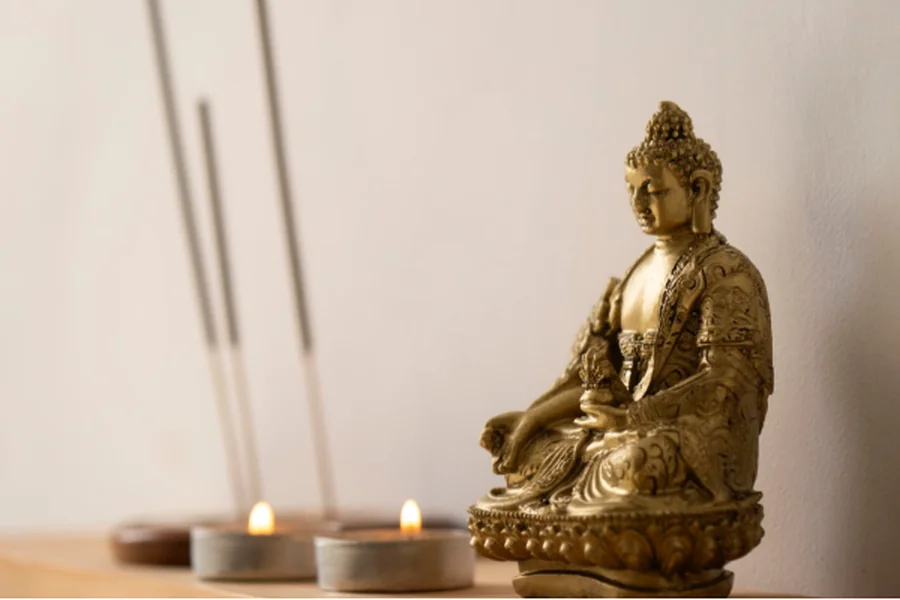
Families often set up a simple altar featuring a picture of the deceased, surrounded by flowers, candles, and incense. Chanting forms a central part of the service, with Buddhist monks reciting specific sutras to aid in the deceased’s journey. The chants, sometimes lasting several hours, are considered a form of blessing for the departed soul.
Symbolic Offerings and Practices
Various symbolic offerings are made during Buddhist funeral services in Singapore. Common offerings include fruits, vegetarian food, and incense, representing respect and veneration for the deceased. Additionally, the presence of a white cloth, which family and friends often wear, symbolises purity and the transience of life.
The burning of joss paper and other paper replicas of worldly possessions is another widespread practice. These items, including imitation gold bars or paper houses, are thought to provide comfort to the deceased in their afterlife while symbolising the continuation of familial care and support.
Role of the Monks
Buddhist monks play a pivotal role in executing funeral rites. Their involvement is not merely ceremonial; they conduct the funereal chants and often offer teachings to the gathered mourners about the nature of life, death, and rebirth. These teachings aim to console grieving family members and impart Buddhist understandings of impermanence and detachment.
Monks may also oversee other specific rituals such as the “transference of merits”, in which good deeds done in the deceased’s name are shared, benefiting both the living and the dead. This act further reflects the interconnectedness of all beings, a core tenet of Buddhist philosophy.
Cremation and Burial Practices
Traditionally, cremation is preferred in Buddhist funeral traditions, signifying purity and returning the body to the elements. During cremation ceremonies, rituals may include chanting and the symbolic breaking of a coconut, symbolising the release of the spirit from the physical body.
However, burial is not entirely uncommon, and options exist for following either path according to the family’s wishes or the specific Buddhist tradition they adhere to. Burial ceremonies are conducted with similar rituals and with great reverence, focused on achieving serenity and peace for the soul of the departed.
Mourning Periods and Observances
The mourning period in Buddhist funeral customs can vary significantly but generally lasts from 49 to 100 days. During this time, families may engage in various practices to honour the deceased, such as performing acts of charity or continuing to chant at home.
The 49-day observance is particularly significant as it aligns with the belief that this period represents the time needed for the spirit of the deceased to transition and reincarnate. Families frequently hold additional memorial services at intervals during this time, including on the 7th, 49th, and 100th days after death.
Modern Influences on Traditional Practices
Buddhist funerals in Singapore today integrate traditional rituals with modern elements, reflecting the city’s dynamic and diverse cultural landscape. Aspects such as digital memorial services and the use of technology in broadcasting funeral rites have become more prevalent, especially in accommodating distant relatives or friends unable to attend physically.
Moreover, while tradition remains vital, there is an increasing emphasis on personalising funerals to reflect the life and characteristics of the deceased, integrating music or elements representative of the individual’s passions or values.
Conclusion
Understanding the intricate ceremonies involved in Buddhist funerals provides a window into the cultural and spiritual life of those involved. Each ritual honours not only the deceased but also underscores the community’s beliefs in life’s cyclical nature and the power of compassion and merit. As Singapore continues to embrace modern practices alongside time-honoured traditions, the ethos of Buddhist funerals—remembrance, respect, and spiritual repose—remains central, providing solace and meaning to those left behind.
For those seeking detailed insights and assistance in planning, Buddhist funeral services in Singapore offer support while ensuring adherence to traditional and cultural expectations. Through them, families can navigate the complexities of these profound occasions with dignity and respect.