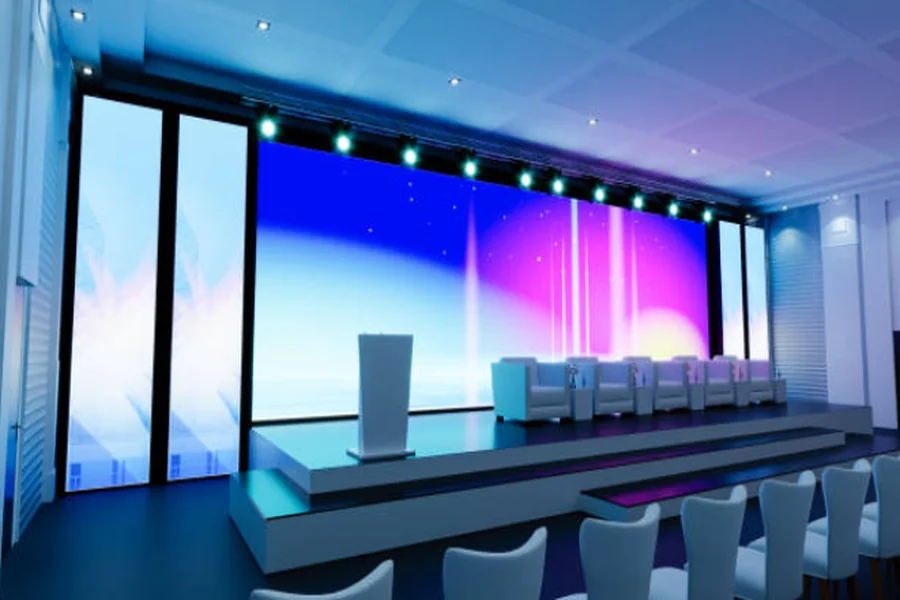

In today’s dynamic business landscape, staying ahead of competitors is crucial, and one pivotal medium empowering businesses to achieve this is the advertising LED wall. These cutting-edge solutions are transforming conventional advertising by offering vibrant, eye-catching displays that captivate audiences like never before. With the technology allowing for seamless integration and stunning visual clarity, businesses can deliver their brand messages with unprecedented impact.
Understanding LED Wall Technology
At the core of LED wall technology are light-emitting diodes (LEDs). These small, energy-efficient lights can display bright and vivid colours, making them ideal for advertising purposes. An LED wall comprises thousands of these individual diodes arranged in a grid pattern, each one acting as a pixel. Collectively, they produce stunningly detailed images and videos at high resolutions. Due to their modular nature, LED walls can be configured into various shapes and sizes, accommodating diverse advertising demands.
Benefits of Advertising with LED Walls
LED walls have swiftly gained popularity across various sectors, thanks to their adaptability and efficiency. The most significant advantage is their unmatched brightness and visibility. Even under direct sunlight, the displays remain clearly visible, ensuring advertisers can capture the attention of passersby irrespective of the time of day. Furthermore, their longevity and minimal maintenance requirements make them a cost-effective choice for long-term advertising solutions.
Additionally, digital advertisements can be easily updated, allowing companies to keep their marketing content relevant and timely. This flexibility ensures that marketing campaigns can quickly adapt to new trends or promotions, which is often a limitation in static billboards.
Environmental Considerations
In an era where sustainability is becoming increasingly vital, LED walls stand out for their energy efficiency. Compared to traditional lighting and signage methods, LED technology consumes significantly less power, leading to a reduced carbon footprint. Their longevity also means fewer replacements and less waste, aligning with eco-friendly business practices. As companies strive to meet environmental standards and reduce energy consumption, LED walls continue to offer a practical solution that marries performance with sustainability.
Applications Across Industries
The versatile nature of LED walls allows them to be deployed across a variety of industries. In entertainment, for instance, they are used in sports arenas and concert venues, providing audiences with clear and vivid views of live events. Retailers leverage these walls to enliven shopping malls, creating immersive brand experiences that enhance customer engagement.
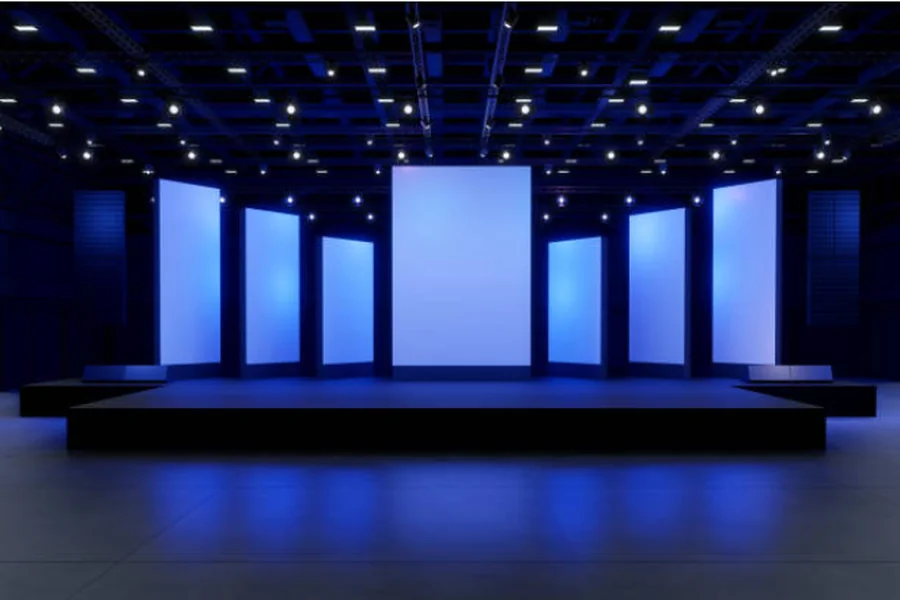
In the corporate sector, LED displays are integral in disseminating information and branding messages at conferences and trade shows. Their ability to deliver crisp graphics and smooth videos ensures that companies can make a lasting impression. Moreover, their ease of installation and scalability mean they can be adapted to suit any venue or event size.
Impact on Retail Environments
In retail spaces, digital displays can significantly enhance the shopping experience. With strategic placement, an advertising LED wall can guide customers, showcase product features, and provide entertaining content, all of which contribute to increased foot traffic and sales. Retailers can also utilise LED walls for interactive displays, encouraging customer interaction and feedback, which further deepens brand loyalty.
LED walls also offer an opportunity for personalisation, allowing brands to tailor content according to consumer demographics and seasonal trends. This adaptability results in more targeted and effective advertising campaigns, maximising the return on investment.
Challenges and Future Prospects
Despite their numerous benefits, deploying LED walls does come with challenges, primarily concerning initial installation costs. High-quality LED walls can require significant capital investment, though these costs are often offset by the long-term savings in energy and maintenance. As technology continues to advance, prices are anticipated to decrease, making these displays more accessible to smaller businesses.
Looking towards the future, advancements in LED technology promise to further enhance their capabilities. Innovations such as 3D displays, transparent LED walls, and augmented reality integration are already on the horizon, potentially transforming how brands and consumers interact.
Conclusion: Embracing the LED Wall Era
As the advertising landscape continues to evolve, businesses are increasingly turning to advanced technologies to maintain their competitive edge. LED walls stand at the forefront of this evolution, offering dynamic and impactful ways to engage audiences across various platforms and industries. Their flexibility, efficiency, and sustainability point towards a promising future where digital displays become even more integral to brand strategy and customer experience.
In the ever-shifting realm of advertising, staying ahead requires embracing technologies that not only meet current demands but also anticipate future needs. With their myriad benefits and evolving potential, LED walls represent a substantial leap forward in how businesses communicate and connect with their audiences.