
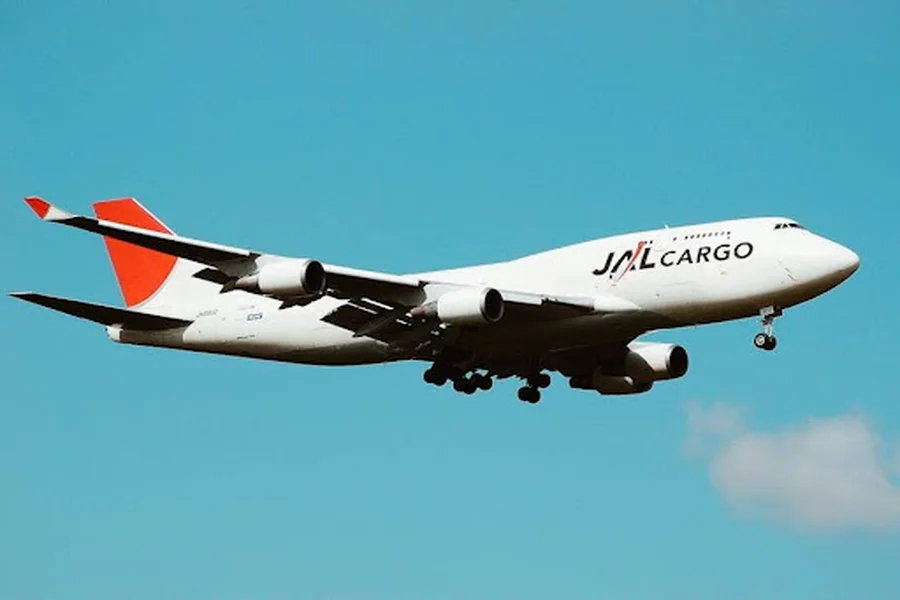
In the dynamic and ever-growing logistics landscape, air cargo handling companies play a pivotal role by ensuring the seamless transfer of goods from origin to destination. These companies provide vital links in the global supply chain, offering a suite of services that include handling, storage, and transportation of freight ranging from perishable goods to intricate machinery.
The Role of Air Cargo Handling Companies
Air cargo handling companies manage the comprehensive logistics of shipping goods via air transport. From receiving shipments at airports to managing the logistics of loading and unloading cargo planes, these companies handle various aspects to ensure punctual and secure transport. The process involves meticulous planning and execution, requiring coordination with airlines and customs, along with managing packaging and documentation.
Streamlining the Supply Chain
Air cargo services significantly streamline the logistics chain by reducing transit time compared to sea or road transport, which is crucial for time-sensitive deliveries. This expedited option is a prime choice for businesses aiming to maintain a competitive edge by optimising inventory levels and accelerating delivery schedules. Companies specialising in air freight contribute to supply chain optimisation by offering expertise and technology that align with market demands.
Technological Integration and Innovation
With the rapid advancement of technology, modern air cargo handling operations have integrated innovative solutions to enhance efficiency and transparency. The use of automated systems and real-time tracking provides companies with critical insights into cargo movement and conditions. This technology ensures reduced lead times and optimised logistics, ultimately improving service reliability and customer satisfaction.
The advent of technologies such as RFID (Radio-Frequency Identification), IoT (Internet of Things), and AI (Artificial Intelligence) has further propelled the capabilities of these companies. Such advancements enable precise tracking, predictive maintenance, and data-driven decision-making, bringing an unprecedented level of precision to air freight operations.
Ensuring Security and Compliance
Security and compliance are paramount in air cargo handling. The sector must adhere to stringent international regulations to ensure the safe transport of goods and prevent unlawful activities. Handling companies must implement robust security measures, including screening and monitoring protocols, to prevent cargo tampering and ensure regulatory compliance.
Regulatory Framework
Global regulations, such as the Air Cargo Security Program and International Air Transport Association (IATA) standards, mandate specific protocols for the handling and screening of cargo. Adhering to these requirements involves regular audits and training to keep staff well-versed in compliance procedures and industry best practices.
Risk Management and Contingency Planning
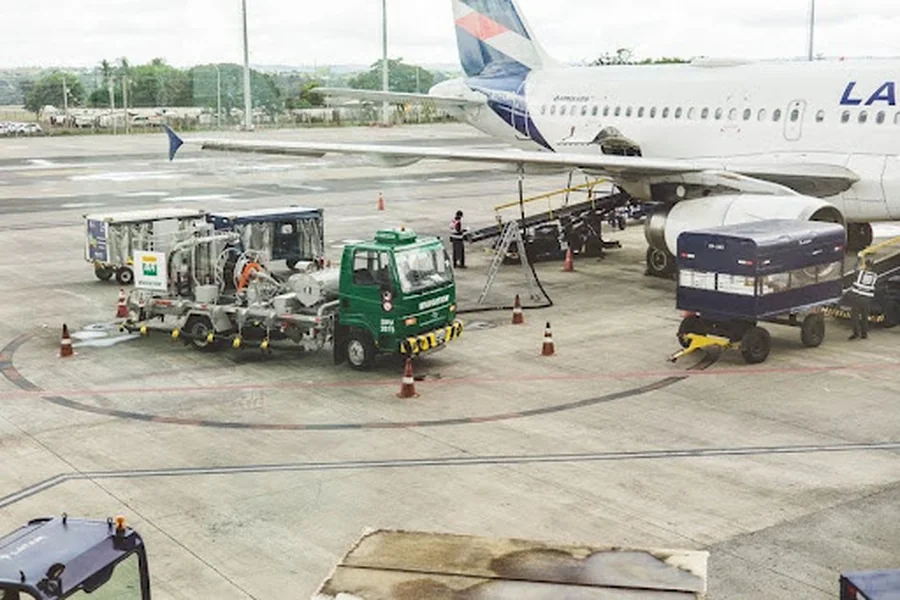
In the unpredictable world of logistics, risk management and contingency planning play critical roles. Air cargo handling companies meticulously prepare for potential disruptions such as weather conditions, equipment malfunctions, and geopolitical factors. By developing comprehensive contingency plans, these companies can mitigate risks and maintain operational continuity regardless of external challenges.
Environmental and Sustainability Considerations
The growing emphasis on environmental sustainability has prompted air cargo handling companies to reevaluate their operational strategies. The logistics industry, including air freight, is increasingly focusing on reducing carbon emissions and implementing greener practices.
Green Initiatives in Air Freight
Many companies are adopting sustainable practices, such as using fuel-efficient aircraft, integrating eco-friendly packaging solutions, and supporting carbon-offset programmes. These initiatives not only align with global sustainability goals but also appeal to environmentally conscious consumers looking for responsible logistics partners.
Strategic Collaborations for Sustainability
Collaboration amongst industry stakeholders is crucial in driving eco-friendly advancements. Partnerships between airlines, handling companies, and technology providers foster the development of innovative solutions that enhance fuel efficiency, reduce emissions, and promote sustainable practices throughout the supply chain.
The Future of Air Cargo Operations
As global trade continues to expand, the demand for efficient air cargo services will grow in tandem. Air cargo handling companies are expected to evolve with changing market dynamics, embracing digital transformation and sustainable practices to meet the demands of a digitally connected world.
Emerging Trends
Emerging trends, such as drone and unmanned aerial vehicle (UAV) technology, could revolutionise last-mile delivery and expedite small shipments. Furthermore, the integration of blockchain technology promises to enhance the security and transparency of air cargo operations by providing a tamper-proof ledger for tracking transactions and shipments.
The commitment to continual improvement and adaptation in an ever-evolving logistical landscape will define the future of air cargo operations. Companies that harness technological advancements and sustainability strategies will pave the way for a more efficient, secure, and environmentally conscious air freight industry.
In conclusion, air cargo handling companies are an essential component of the global logistics chain, ensuring the efficient and secure transportation of goods across the globe. Through strategic use of technology and adherence to strict regulatory frameworks, they facilitate commerce and support economic growth, all while navigating the complex challenges of modern logistics.