

The world of cosmetic beauty treatments has witnessed tremendous advancements over the years, and among these developments, the introduction of SHR hair removal stands out. This innovative technique has swiftly gained a reputation for its effectiveness and comfort, distinguishing itself from traditional methods of hair removal.
Understanding SHR Hair Removal
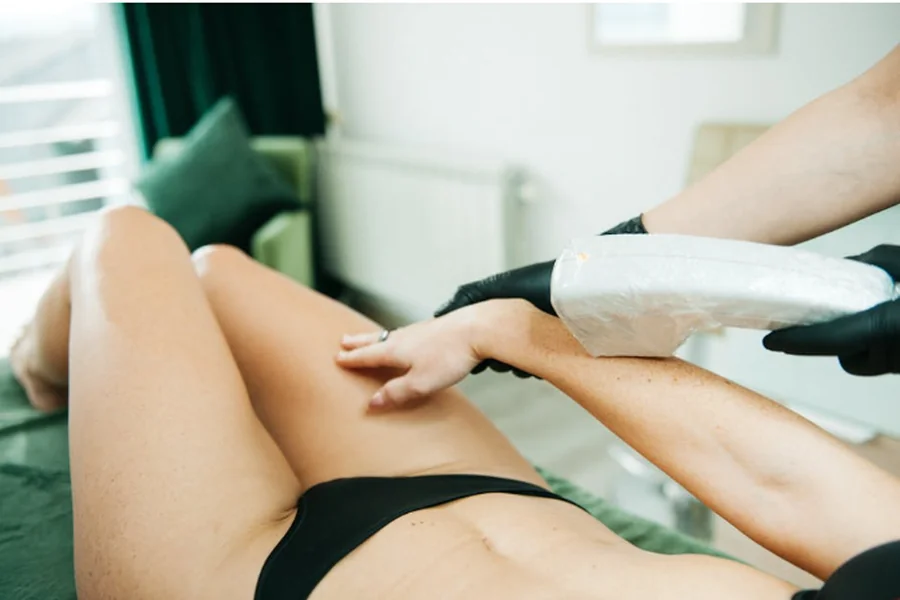
SHR, which stands for “Super Hair Removal”, utilises cutting-edge technology to offer a modern solution to the age-old problem of unwanted body hair. Unlike conventional laser methods, SHR employs a gentler but more efficient approach, combining laser technology and pulsating light to target hair follicles. This unique process allows for a sweeping motion across the skin, ensuring all areas receive uniform treatment, thereby reducing the likelihood of missed spots.
The Science Behind SHR
The mechanics of SHR hair removal revolve around the principles of selective photothermolysis, a process whereby the light energy selectively targets the pigment in hair follicles, converting this light into heat. This gradual heating process, as opposed to a single, high-energy pulse, minimises discomfort and reduces the risk of skin burns. The combination of low fluence and repetitive shots ensures that the energy is absorbed effectively, destroying hair at the root without harming the surrounding skin tissue.
Advantages over Traditional Methods
One of the most significant benefits of SHR is its ability to cater to a wide array of skin types. Traditional laser treatments are often limited, as they can be less effective on certain skin tones and hair colours. However, the innovative technology behind SHR allows it to be used on both light and dark skin tones, as well as thinner and lighter hair. The reduced energy used also makes it suitable for individuals with more sensitive skin.
In addition, SHR’s utilisation of low-energy levels reduces pain to a near-negligible level, challenging the myth that effective hair removal must be uncomfortable. This process stands in contrast to waxing or electrolysis, both of which can cause significant discomfort.
Safety and Efficacy
Safety is a paramount consideration in hair removal treatments, and another area where SHR excels. The repetitive, low-energy pulses decrease the risk of burns or pigmentation changes post-treatment, particularly when performed by trained professionals following stringent protocols. The broader wavelength range of SHR also allows for deeper penetration, improving efficacy by adequately targeting the hair follicle without causing damage to the skin.
Moreover, the effectiveness of SHR in providing long-term hair reduction has been well-documented. While individual results may vary depending on hair type, skin tone, and treatment area, many individuals report significant reductions in hair growth after a complete treatment cycle.
Comparing SHR to IPL and Laser Technologies
Comparing SHR with traditional laser and IPL (Intense Pulsed Light) treatments is crucial to understanding its unique advantages. Lasers usually target hair follicles with a single wavelength, whereas IPL uses a broad spectrum. SHR blends the best of both worlds by using gradual energy delivery over multiple sequences, significantly reducing pain and risk while maintaining efficacy.
This hybrid technique also surpasses IPL by being less dependent on melanin concentration in hair shafts, thus interacting efficiently with a wider range of hair and skin tones.

Treatment Protocol and Expectations
The SHR treatment protocol typically requires multiple sessions to achieve optimal results. This is because hair grows in several phases, and SHR is most effective during the active growth cycle. Depending on the individual’s hair and skin characteristics, a typical course may involve 6-10 sessions, spaced several weeks apart, to ensure thorough coverage and long-lasting results.
During each session, clients can expect minimal discomfort and no downtime. The procedure is designed to be swift and effective, meaning individuals can resume daily activities immediately post-treatment.
Common Myths and Misconceptions
Despite its efficacy, several myths persist regarding SHR that need addressing. One common misconception is that all laser hair removal is the same. However, as emphasised, the nuanced technology behind SHR sets it apart from older methods in terms of comfort, safety, and versatility.
Another fallacy is that lighter hair cannot be treated with SHR. While it is true that the absence of melanin in very light or grey hair can pose a challenge, SHR technology has improved outcomes for these cases when compared to traditional laser treatments.
Aftercare and Skin Maintenance
Post-treatment care is crucial in ensuring the effectiveness and longevity of SHR results. Clients are advised to avoid sun exposure and apply sunscreen diligently, as the skin may be more sensitive. Moisturising the treated areas can further aid in maintaining skin health and comfort.
Clients should also refrain from waxing or plucking hairs post-treatment since these practices may interfere with the follicle’s natural shedding process.
The Role of Consultation and Customisation
Before embarking on an SHR treatment plan, a thorough consultation with a qualified practitioner is essential. Assessing skin type, hair characteristics, and treatment goals allows for a customised approach, tailoring the procedure to meet individual needs. This bespoke strategy ensures not only optimal results but also alignment with personal skincare considerations.
The Future of Hair Removal
The evolution of hair removal technologies continues to progress, with SHR at the forefront as a testament to the potential for greater advancements. As research and technology evolve, it is anticipated that methods like SHR will become increasingly refined, offering even more in terms of comfort, efficiency, and inclusivity for diverse skin and hair types.
In conclusion, while SHR hair removal represents a significant stride forward in the cosmetic industry, it remains essential for individuals to engage with qualified professionals to ensure the best outcomes. Through careful consideration and professional guidance, many find SHR a transformative solution in their beauty routine.