

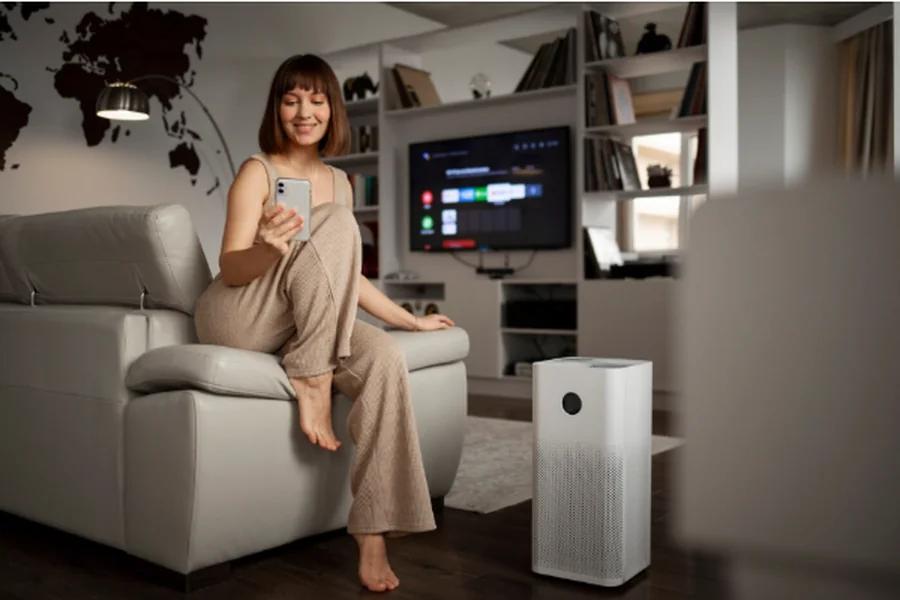
In recent years, there has been a significant uptick in demand for advanced air purification systems. This trend is particularly noticeable in urban areas where pollution levels have become a growing concern for many residents. With the increase in awareness regarding air quality, the use of a HEPA air purifier in Singapore continues to rise as more individuals seek solutions to improve their indoor environments.
Why Air Quality Matters
The air we breathe indoors is often more polluted than outdoor air. This surprising fact is primarily due to the concentration of pollutants found inside buildings, such as dust, allergens, mould spores, and chemicals from household products. These contaminants can significantly affect health, causing respiratory issues, and allergies, and exacerbating conditions like asthma.
What Makes HEPA Purifiers Stand Out
HEPA filters, or High-Efficiency Particulate Air filters, are well-regarded for their effectiveness in trapping tiny particles. They are designed to capture at least 99.97% of airborne particles that are 0.3 microns in size or larger. This ability makes them a popular choice for those looking to maintain clean air at home or in the office.
Unlike standard filters, HEPA filters can trap a range of particulates, including pollen, smoke, dust mites, and pet dander, making them particularly useful for allergy sufferers and pet owners.
Advantages of Using HEPA Air Purifiers
Improved Health Outcomes
One of the primary benefits of employing a HEPA air purifier is the improvement in overall health and well-being. By reducing the levels of pollutants and allergens in the air, individuals may experience fewer respiratory issues. Studies show that a cleaner breathing environment can lead to reduced allergy symptoms and a lower risk of asthma attacks.
Odour Elimination
Another beneficial aspect of using HEPA air purifiers is their capacity to eliminate unpleasant odours. While the HEPA filters excel at trapping solid particles, many modern devices combine HEPA filters with activated carbon filters, which excel at adsorbing odours and volatile organic compounds (VOCs).
Noise Levels and Energy Efficiency
Modern HEPA purifiers are designed with user comfort in mind, often operating quietly and efficiently. Energy-efficient models ensure that maintaining clean indoor air doesn’t come at the cost of higher electricity bills.
Protection Against Airborne Viruses
There has been increasing interest in HEPA air purifiers as a line of defence against airborne viruses. While no air purifier can guarantee complete protection, HEPA filters reduce the concentration of airborne virus particles, potentially lowering the risk of infection in crowded or poorly ventilated spaces.
Factors to Consider When Choosing a HEPA Air Purifier
Selecting the right HEPA air purifier involves considering several factors to ensure the device meets your specific needs.
Room Size
Air purifiers are designed to cater to different room sizes. It is crucial to select a model that is suitable for the size of the room you intend to use it in. A device too small for the room will underperform, while a too-large device might be unnecessarily costly or bulky.
Filter Replacement
The cost and frequency of filter replacements can vary widely. Checking the lifespan of the HEPA filters and whether they are readily available to purchase is a consideration that can affect the long-term cost of ownership.
Additional Features
Many HEPA air purifiers come equipped with additional features, such as air quality sensors, auto-mode settings, and Wi-Fi connectivity for smart home integration. These features, while not essential, can improve usability and convenience.
Environmental Considerations
While air purifiers contribute to improved health by cleaning indoor air, they also have an environmental footprint. Users should be mindful of factors such as energy consumption and the disposal of used filters, considering models that offer energy-efficient operation and sustainable filter disposal options.
Challenges and Innovations
While HEPA technology has remained a gold standard in air purification, ongoing innovations continue to address existing challenges. Some newer models work to combine HEPA filtration with advanced electrostatic precipitation and UV-C light technology to enhance effectiveness against ultra-fine particles and biological contaminants.
Moreover, the industry’s push towards environmentally friendly solutions has led to the development of more sustainable materials in both the construction of purifiers and the filters themselves.
The Growing Market and Consumer Awareness
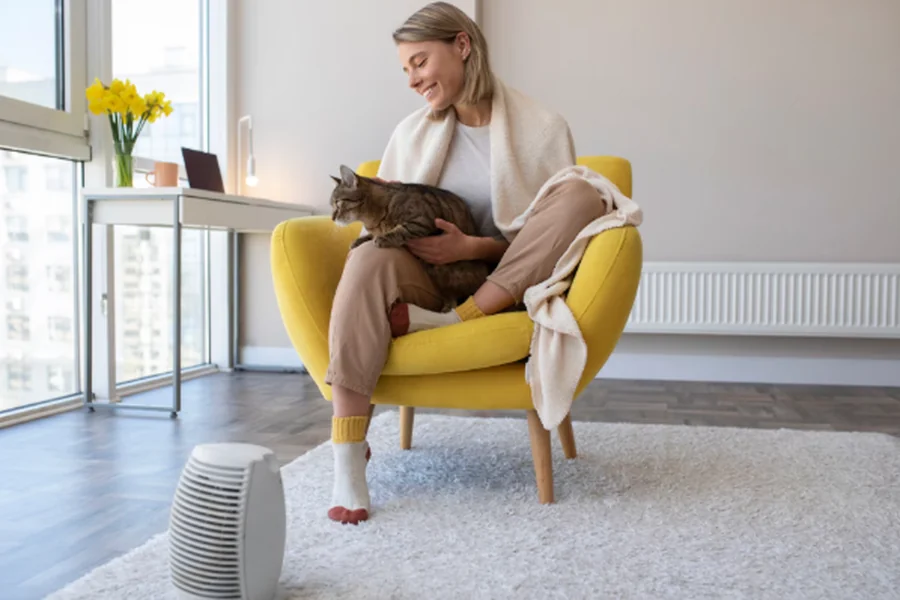
Consumer awareness regarding indoor air pollution has significantly increased over the past decade, spurred by reports focusing on the health impacts of poor air quality. As information has become more accessible, many people are now more proactive in seeking out solutions to ensure their home or workplace environments are as pollutant-free as possible.
Efforts to educate the public on the importance of air quality and the role of HEPA air purifiers continue to be vital. Stakeholders, including manufacturers, retailers, and health organisations, all contribute to broadening public understanding of air purification technologies and benefits.
Future Trends
The future of air purification technology looks promising, with ongoing research focusing on enhancing filter efficacy, improving energy efficiency, and reducing waste. As the market expands, we can expect continued advancement in smart technologies integrated with air purification solutions, enabling better control and monitoring of air quality in real-time.
In conclusion, while HEPA air purifiers play a crucial role in improving indoor air quality, the ongoing advances in the field promise even greater efficiency and convenience for consumers looking to create healthier living and working environments.