
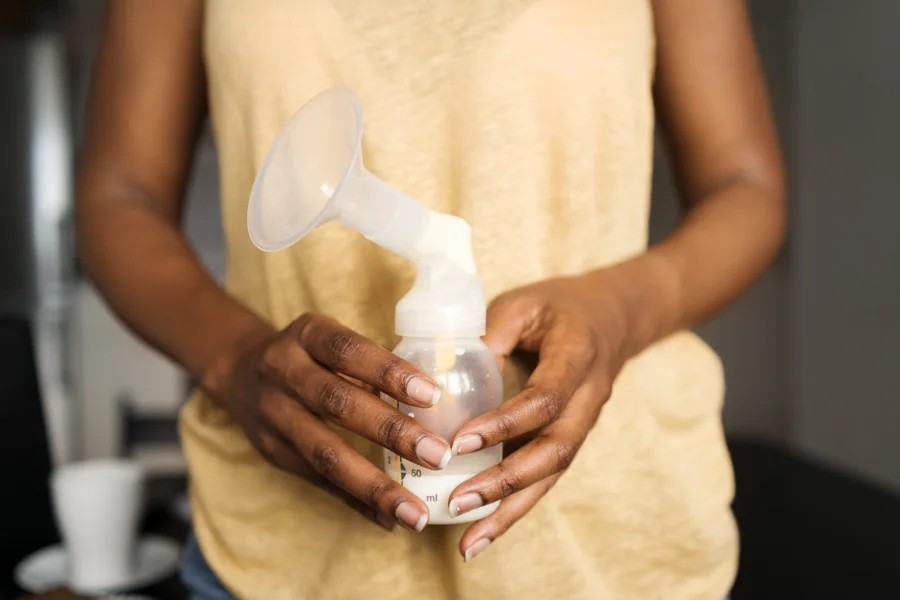
The rise of portable electric breast pumps has profoundly transformed maternal care, redefining the ways mothers manage breastfeeding in contemporary life. Designed for convenience and ease of use, the portable electric breast pump allows mothers to express milk efficiently at home, at work, or on the go. These devices combine efficiency, comfort, and mobility, allowing women to sustain milk expression while balancing professional responsibilities, family duties, and social engagements. The growing popularity of mobile feeding solutions reflects a broader shift in maternal care, emphasising adaptability, autonomy, and the integration of technology to meet modern demands.
Functionality and Core Benefits
Electric breast pumps are designed to replicate a baby’s natural sucking rhythm, providing a gentle yet highly effective method for milk extraction. This functionality is particularly beneficial for mothers who face challenges with direct breastfeeding, whether due to medical conditions, physiological limitations, or temporary separation from their child.
Beyond simple convenience, these devices empower mothers to maintain their breastfeeding goals without disrupting daily life. They ensure that infants receive consistent nutrition, even when mothers are occupied with work or other commitments, bridging the gap between convenience and commitment. For many, the ability to express milk efficiently has become an essential aspect of sustaining a healthy feeding routine.
Advanced Features and Considerations
Modern portable electric breast pumps are characterised by sophisticated features that enhance usability and comfort. Adjustable suction levels allow mothers to personalise the experience, ensuring optimal comfort during each session. Quiet operation is a key feature, enabling discreet milk expression in shared or public environments without drawing attention. Compatibility with various breast shield sizes further accommodates individual anatomical needs, making the process more comfortable and effective.
Rechargeable batteries have added a crucial element of mobility, allowing mothers to use pumps without being tethered to an electrical outlet. This independence makes it possible to express milk at home, at work, or even while travelling, providing unparalleled flexibility. Such mobility not only supports practical needs but also contributes to psychological comfort, granting mothers the confidence to manage breastfeeding discreetly and efficiently.
Practical Impacts on Daily Life
The practical advantages of portable breast pumps extend far beyond convenience. Mothers can now integrate milk expression seamlessly into their daily schedules without sacrificing professional or personal commitments. This capability promotes continuity in breastfeeding, helping mothers maintain a consistent feeding routine for their child.
Shared parenting also benefits significantly from these devices. Partners and other caregivers can actively participate in feeding routines, particularly during nighttime sessions. This balanced distribution of responsibilities eases physical and emotional strain on mothers, fostering a collaborative family environment. Moreover, the discreet nature of modern pumps allows mothers to maintain privacy and dignity while expressing milk in public or workplace settings, enhancing confidence and reducing anxiety.
Health and Economic Advantages
From a health perspective, regular use of electric breast pumps can prevent common breastfeeding complications such as engorgement, blocked ducts, and mastitis. By facilitating consistent milk expression, these devices contribute to both maternal and infant well-being, ensuring that feeding remains a positive and sustainable experience.
Economically, while the initial investment in a high-quality pump may be significant, many mothers find it cost-effective in the long term. Reduced reliance on formula feeding lowers recurring expenses, while the flexibility afforded by portable pumps can enable an earlier return to professional work, supporting financial stability. In this way, the device represents an investment that benefits both family health and household economics.
Environmental Considerations
Portable electric breast pumps can also have positive environmental implications. Prolonged breastfeeding reduces dependence on formula products, which often involve significant packaging and resource consumption. Additionally, manufacturers increasingly focus on sustainability, incorporating eco-friendly materials and designs to reduce the environmental footprint. By supporting longer breastfeeding durations, these devices contribute to both personal and planetary health.
Integration of Technology
The integration of smart technology has further advanced the functionality of modern breast pumps. Features such as app connectivity allow mothers to track pumping sessions, monitor milk output, and receive timely reminders, creating a seamless, data-informed feeding experience.
Recent improvements in motor technology have yielded quieter, more efficient devices, enhancing usability in shared environments and ensuring minimal disruption. These innovations highlight the responsiveness of product development to user feedback and contemporary lifestyles, emphasising comfort, efficiency, and discretion.
Psychological and Social Impacts
The psychological benefits of portable electric breast pumps are substantial. Reducing the stress associated with rigid feeding schedules and constant physical presence fosters greater maternal confidence and well-being. By offering flexibility and convenience, these devices support a positive emotional experience, helping mothers feel empowered in their feeding decisions.
Socially, portable pumps enable greater inclusion, allowing mothers to engage fully in work, family life, and social activities without compromising breastfeeding goals. Their discreet and adaptable design fosters understanding and support within communities, encouraging wider acceptance of the challenges associated with breastfeeding and creating a more supportive environment for nursing mothers.
Conclusion
Portable electric breast pumps represent a remarkable advancement in maternal and infant care. By combining convenience, sophisticated technology, and mobility, these devices address the evolving needs of modern mothers while supporting the health and nutrition of their children. Beyond practical benefits, they promote psychological well-being, social participation, and sustainable feeding practices. As innovation continues, portable pumps are set to remain an essential tool for empowering mothers, enhancing efficiency, and fostering a positive, adaptable approach to breastfeeding.