

Adding an Accessory Dwelling Unit (ADU) is more than a construction project; it is a strategic decision that affects property value, living flexibility, and long-term financial planning. Homeowners pursue ADUs for many reasons, including multigenerational housing, rental income, or creating private workspaces. The process, however, involves zoning review, design coordination, budgeting, engineering, and construction sequencing. Without a structured plan, small missteps can lead to delays and cost escalation. We will explore how an ADU project builder guides homeowners from early feasibility analysis to final inspection, translating ideas into compliant, functional living spaces with clarity and accountability.
Understanding Vision, Budget, and Feasibility
Clarifying Purpose and Property Constraints
The foundation of a successful ADU project begins with defining intent. Is the structure intended for long-term rental income, aging parents, short-term guest stays, or a private studio? Each purpose influences layout, plumbing demands, accessibility features, and privacy considerations. A project builder evaluates lot size, setbacks, easements, utility access points, and local zoning ordinances to determine what is legally permissible. Municipal codes often dictate maximum square footage, height limitations, parking requirements, and owner-occupancy conditions.
Early feasibility analysis prevents unrealistic expectations and aligns design possibilities with regulatory realities. This stage may include a site visit, reviewing property surveys, and assessing whether the ADU will be detached, attached, or converted from an existing structure, such as a garage. In markets where regulations and neighborhood overlays can vary block by block, experienced Portland ADU project builders carefully evaluate zoning codes, height limits, and infrastructure capacity before confirming build potential. Financial feasibility is also addressed by mapping estimated construction costs against anticipated rental income or long-term equity gain. By combining compliance review with strategic planning, the builder establishes a practical path forward before any design drawings are produced.
Design Development and Spatial Planning
Once feasibility is confirmed, attention shifts to translating ideas into architectural drawings. During this phase, homeowners collaborate with designers to determine layout efficiency, ceiling heights, natural light orientation, and circulation flow. Space optimization is central in ADUs, as square footage is typically limited. Open-plan living areas, compact kitchens, and integrated storage solutions maximize usability without sacrificing comfort. Mechanical systems must also be carefully integrated, including HVAC placement, water heaters, and electrical panels. Energy efficiency considerations—such as insulation levels, window selection, and solar readiness—can reduce long-term operational costs.
The builder coordinates structural engineering if the design includes load-bearing modifications or second-story construction. Detailed plans are drafted for submission to local authorities. At this point, material preferences, exterior finishes, roofing styles, and façade compatibility with the main residence are discussed to maintain visual cohesion. Design development concludes when the drawings are sufficiently detailed to move into permitting and contractor pricing, ensuring alignment between aesthetic intent and buildability.
Permitting, Approvals, and Regulatory Navigation
Securing permits is often one of the most time-intensive aspects of an ADU project. Municipal review departments assess structural safety, fire separation requirements, plumbing systems, energy compliance documentation, and environmental impact considerations. A project builder prepares and submits the required documentation, including architectural drawings, engineering calculations, and site plans. In some jurisdictions, additional approvals from homeowner associations or planning commissions may be necessary. Corrections or revisions requested by city reviewers must be addressed promptly to avoid delays.
The builder acts as liaison, communicating technical clarifications and updating documentation as needed. During this period, timelines are recalibrated to reflect approval milestones. Accurate scheduling becomes critical, as construction cannot commence until permits are issued. Transparency regarding regulatory timelines helps homeowners maintain realistic expectations. By managing agency communication and compliance details, the builder reduces administrative burden and positions the project for a smooth transition into the construction phase.
Construction Planning and Execution
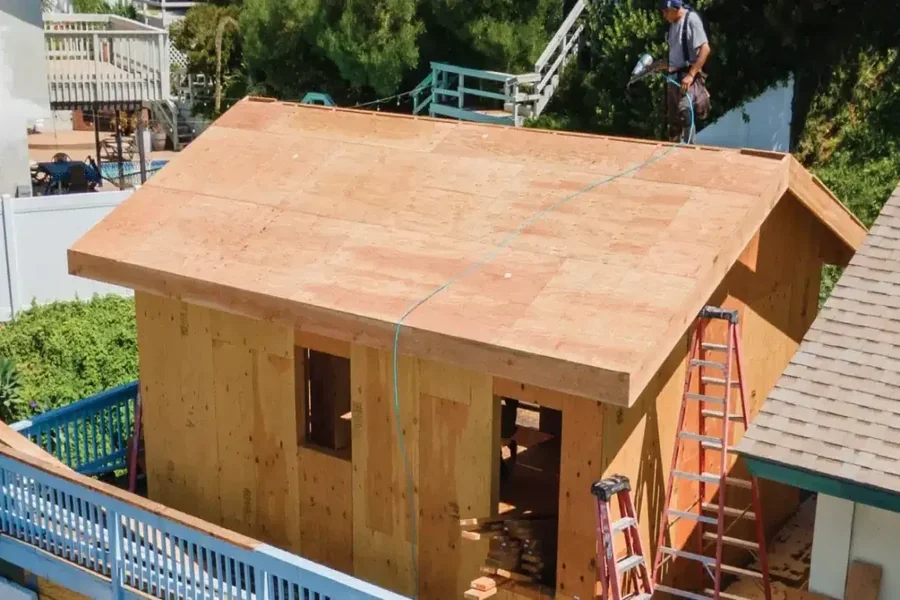
With permits secured, the project advances into site preparation and active construction. This stage begins with grading, foundation work, and utility trenching. Depending on soil conditions, additional structural reinforcement may be required. Framing establishes the building’s skeleton, followed by roofing, exterior sheathing, and weatherproofing to protect against environmental exposure. Mechanical, electrical, and plumbing systems are then installed in accordance with approved plans. Inspections occur at multiple stages, including foundation, framing, and systems rough-in. Interior finishes—drywall, cabinetry, flooring, and fixtures—transform the structure into a livable space.
A reliable builder maintains a detailed construction schedule, coordinates subcontractors, and manages material procurement to prevent bottlenecks. Budget tracking continues, with change orders documented as scope adjustments arise. Communication between the homeowner and builder is essential to address design clarifications or finish selections in real time. The objective is not only structural completion but also the delivery of a compliant, durable dwelling ready for occupancy approval.
Final Inspection, Handover, and Long-Term Value
As construction nears completion, final inspections verify that all systems comply with building codes and safety standards. Municipal inspectors evaluate electrical panels, plumbing connections, insulation installation, and life-safety measures such as smoke detectors and egress windows. Once approvals are granted, a certificate of occupancy is issued, legally permitting habitation. The builder conducts a final walkthrough with the homeowner to review finishes, test appliances, and address minor punch-list corrections. Documentation—including warranties, maintenance instructions, and as-built drawings—is provided for recordkeeping.
At this stage, homeowners can begin furnishing, marketing the unit for rental, or welcoming family occupants. Beyond immediate use, an ADU contributes to property appreciation and functional flexibility. A thoughtfully executed project can increase resale appeal and diversify income streams. By guiding the process from feasibility analysis through final approval, the builder ensures the ADU transitions seamlessly from a conceptual vision to a tangible asset.
Constructing an ADU is a layered undertaking that intersects design, engineering, finance, and regulatory compliance. Success depends on disciplined planning and coordinated execution across each project milestone. From clarifying the homeowner’s objectives to navigating municipal approvals and overseeing construction sequencing, the project builder’s role is to maintain structural integrity, stay cost-conscious, and manage the timeline. When approached with methodical preparation and open communication, an ADU becomes more than an addition—it evolves into a long-term investment that enhances both property utility and residential adaptability.