
Flowers have always played a powerful role in human expression. They celebrate joy, soften apologies, honor milestones, and express emotions that words sometimes fail to capture. Among the countless floral options available today, rose bouquets continue to hold a unique and dominant position. Trends in design may change and new flower varieties may rise in popularity, but roses consistently remain the most requested and gifted bloom.
Their lasting appeal is not simply about appearance. It is about symbolism, emotional clarity, cultural tradition, and versatility. Rose bouquets have earned their place as the most popular floral gift through centuries of meaning and continued relevance in modern life.
A Timeless Symbol Rooted in History
Roses have been admired for thousands of years. In ancient civilizations, they were associated with beauty, devotion, and even divinity. From royal gardens to poetic literature, roses were treated as symbols of love and admiration long before modern gifting traditions took shape.
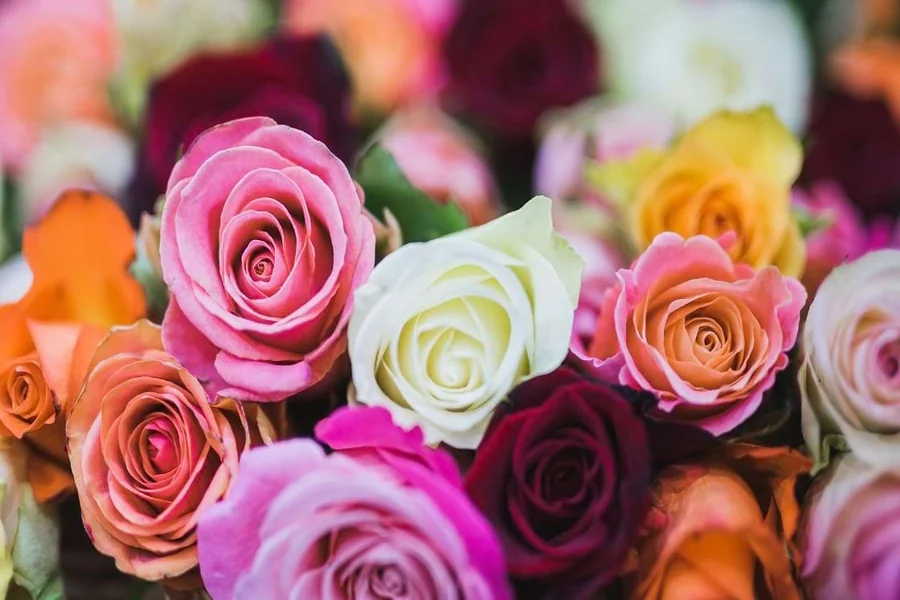
During the Victorian era, flowers became a coded language used to communicate emotions discreetly. Roses were central to this practice. A red rose symbolized deep love. White roses represented purity and new beginnings. Yellow roses conveyed friendship. Pink roses expressed gratitude and admiration. These meanings have endured, shaping how we interpret roses today.
Because of this deep historical foundation, rose bouquets feel timeless. When someone gives roses, they are participating in a tradition that stretches back centuries. That sense of continuity adds emotional depth and significance to the gesture.
The Universal Language of Love
If there is one flower that universally represents romance, it is the rose. Red roses, in particular, have become synonymous with passionate love. Whether exchanged on Valentine’s Day, anniversaries, or proposals, they clearly communicate affection and devotion.
This clarity is part of their enduring popularity. There is no confusion about what roses represent. The recipient instantly understands the message, which makes roses a reliable and powerful choice for romantic expression.
However, roses are not limited to romantic settings. Their versatility allows them to suit many different occasions. Soft pink roses can honor a mother or mentor. White roses can commemorate a wedding or offer sympathy. Yellow roses celebrate friendship. This adaptability ensures that roses remain relevant across various relationships and life events.
Elegance That Fits Every Occasion
Visually, roses possess a balance that few other flowers achieve. Their layered petals create a sense of fullness and texture without appearing overwhelming. Their symmetrical shape feels refined and intentional.
Because of this natural elegance, rose bouquets work beautifully in both simple and elaborate arrangements. A single stem wrapped in paper can be deeply meaningful. A lush bouquet filled with dozens of blooms can create a dramatic statement. The flower adapts to the scale of the occasion.
Roses appear at weddings, birthdays, graduations, corporate celebrations, and memorial services. Few flowers transition so seamlessly between joyous celebrations and solemn moments. This broad suitability contributes significantly to their sustained popularity.
Emotional Impact Through Classic Simplicity
In a world filled with complex and sometimes extravagant gifts, there is something refreshing about simplicity. A rose bouquet delivers a clear, heartfelt message without requiring explanation. The gesture feels sincere rather than showy.
For instance, choosing Dozen roses from Toy Florist creates a striking visual and emotional impression. The uniform arrangement of twelve blooms symbolizes completeness and devotion, while maintaining a classic aesthetic that never feels excessive. The message is direct, thoughtful, and unmistakably meaningful.
This simplicity resonates deeply because it reflects genuine intention. When someone selects roses, they are not experimenting with trends. They are choosing a flower known for emotional significance.
Consistent Availability and Accessibility
Practical factors also play a role in the rose’s continued dominance. Roses are cultivated globally and are available year round. Unlike certain seasonal flowers that may be difficult to source at specific times, roses provide reliability for gift buyers.
When someone plans a surprise or commemorates an important date, they want assurance that their chosen bouquet will be available and fresh. Roses offer that consistency. This reliability strengthens their position as the go to floral gift for major holidays and personal milestones.
Roses are also offered in a wide range of price points. From modest single stem presentations to luxurious premium bouquets, there is an option for nearly every budget. This accessibility makes roses inclusive, ensuring they remain popular across different demographics.
Adaptability to Modern Trends
Although roses are traditional, they are far from outdated. Modern floral design has reimagined rose bouquets in ways that appeal to contemporary tastes. Minimalist arrangements featuring soft pastel roses align with modern aesthetics. Bold monochromatic bouquets create dramatic visual statements. Preserved roses that last for months add a lasting keepsake element.
Packaging has also evolved. Elegant wrapping styles, creative color combinations, and curated presentation boxes have given roses a fresh and stylish edge. Social media has amplified their appeal, as rose bouquets photograph beautifully and create instantly recognizable romantic imagery.
By blending tradition with innovation, roses remain both classic and current.
Psychological Influence of Color and Fragrance
The popularity of roses is also tied to psychology. Color influences emotion in subtle but powerful ways. Red evokes passion and intensity. Pink creates feelings of warmth and affection. White suggests calmness and sincerity. Yellow brings brightness and happiness.
These emotional responses often operate subconsciously. When someone receives a rose bouquet, the colors alone can elevate mood and reinforce the intended message.
Fragrance adds another dimension. The gentle scent of fresh roses can evoke nostalgia, trigger memories, and create a comforting sensory experience. This combination of visual beauty and subtle fragrance enhances the emotional impact of the gift.
Symbolism That Evolves With Relationships
Roses grow alongside relationships. In early romance, a single rose may symbolize new beginnings. As commitment deepens, larger bouquets reflect stronger devotion. Anniversaries often call for classic red roses, while milestone celebrations may incorporate mixed colors to represent shared experiences.
Outside romantic contexts, roses continue to adapt. A bouquet of yellow roses may celebrate a lifelong friendship. Peach roses can express appreciation for professional guidance. White roses may honor remembrance or spiritual reflection.
Few flowers offer such a broad range of symbolic meanings while maintaining a cohesive identity. This flexibility allows roses to remain relevant throughout different stages of life.
The Ritual and Anticipation of Gifting Roses
There is also a ritualistic aspect to giving roses. Many people anticipate receiving them on special occasions. This expectation strengthens their emotional weight. When roses are presented at the right moment, they fulfill a cherished tradition.
The act of handing over a bouquet, watching the recipient’s reaction, and seeing the flowers displayed in the home creates a shared memory. Rituals build connection, and rose gifting has become one of the most recognized romantic and celebratory rituals worldwide.
Even in moments of apology or reconciliation, roses play a meaningful role. Their softness and symbolism create an atmosphere of sincerity. Offering roses can signal humility and a desire to restore harmony.
Cultural Reinforcement Through Media
Film, literature, and advertising have consistently reinforced the image of roses as the ultimate romantic gesture. Countless movies feature scenes where roses accompany declarations of love. Holiday campaigns prominently showcase rose bouquets as essential gifts for Valentine’s Day and Mother’s Day.
These repeated cultural references strengthen the association between roses and emotional milestones. When individuals imagine a classic romantic gesture, roses naturally come to mind.
Confidence and Emotional Safety
Gift giving often comes with uncertainty. People want to choose something meaningful without misinterpretation. Roses provide confidence. Their symbolism is widely understood and appreciated, reducing the risk of misunderstanding.
While exotic or unconventional flowers may feel unique, they can also introduce ambiguity. Roses strike a balance between safe and special. They are familiar, yet always impactful.
This emotional safety encourages people to return to roses again and again.
A Lasting Floral Legacy
Rose bouquets remain the most popular floral gift because they combine history, beauty, symbolism, and reliability in a way that few other flowers can replicate. They communicate love, gratitude, celebration, and reconciliation with clarity and grace.
Their adaptability allows them to thrive in modern design trends while honoring centuries of tradition. Their accessibility ensures that nearly anyone can participate in the ritual of giving them. Their emotional power continues to resonate across cultures and generations.
As long as people seek meaningful ways to express heartfelt emotion, rose bouquets will remain at the forefront of floral gifting. They are more than flowers. They are a timeless symbol of connection, devotion, and shared human experience.