

In today’s digital age, where smartphone cameras dominate the landscape and selfies have become a cultural staple, one might assume that the humble photobooth has been relegated to the background. However, the photobooth machine has undergone a renaissance, evolving into a blend of nostalgic charm and cutting-edge technology that continues to capture the imagination and emotions of people worldwide.
The Evolution of Photobooth Machines
The photobooth, which originally made its debut in the 1920s, was initially a marvel of automation, allowing individuals to obtain photographic portraits without the need for a professional photographer. This innovation quickly spilt over into popular culture, with strong associations with various social events and public gatherings.
In contemporary settings, photobooth machines are no longer confined to the coin-operated boxes you might remember from shopping centres or your local amusement arcade. Instead, they have morphed into high-tech kiosks capable of producing high-resolution images adorned with custom overlays, a far cry from the grainy black-and-white strips of yesteryear.
Components of a Modern Photobooth Machine
Modern photobooth machines are sophisticated devices packed with an array of features designed to enhance the photo-taking experience. While the traditional photobooth consisted of a camera, a timer, and a small developing unit, today’s machines offer an array of digital features, including:
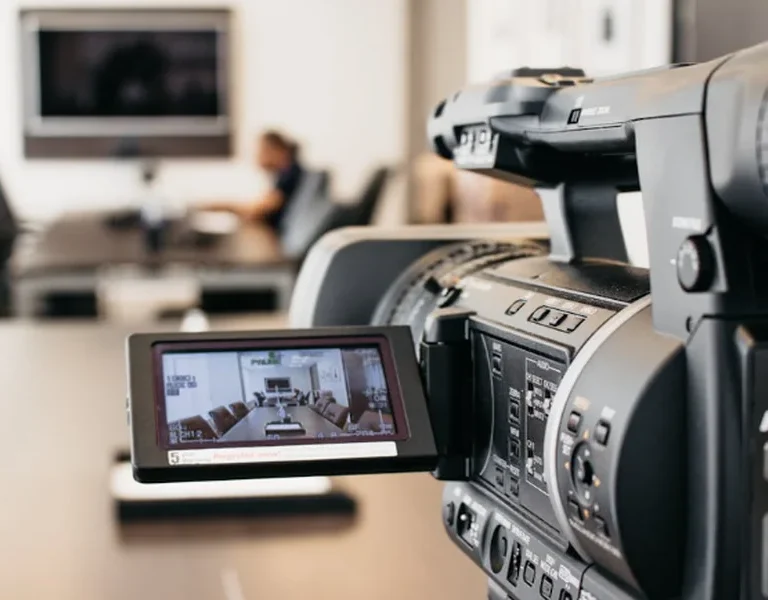
– High-Resolution Cameras: Equipped with state-of-the-art cameras, contemporary booths ensure clarity and detail.
– Touchscreen Interfaces: Facilitating ease of use, touchscreen interfaces guide users through a seamless photo-taking process.
– Digital Sharing Capabilities: Social media integration allows users to instantly share their moments online, expanding the reach from physical to digital domains.
– Customisable Backdrops and Props: Users can select from a range of digital backgrounds or use physical props to add a quirky and personalised touch to their photos.
The Cultural Significance of Photobooths
While smartphones have made personal photography ubiquitous, photobooths maintain a unique cultural significance and relevance. A segment of their enduring appeal is the combination of instantaneity and tangible results. Bringing together groups of people, a photobooth facilitates fun and spontaneity, often coaxing out the most genuine expressions and interactions.
Photobooths have also become staples at events such as weddings, corporate functions, and parties, offering both entertainment and a means for guests to take home a personalised souvenir. The interactive nature often becomes a key talking point at events, serving as both an icebreaker and a source of nostalgia.
Technological Innovations in Photobooths
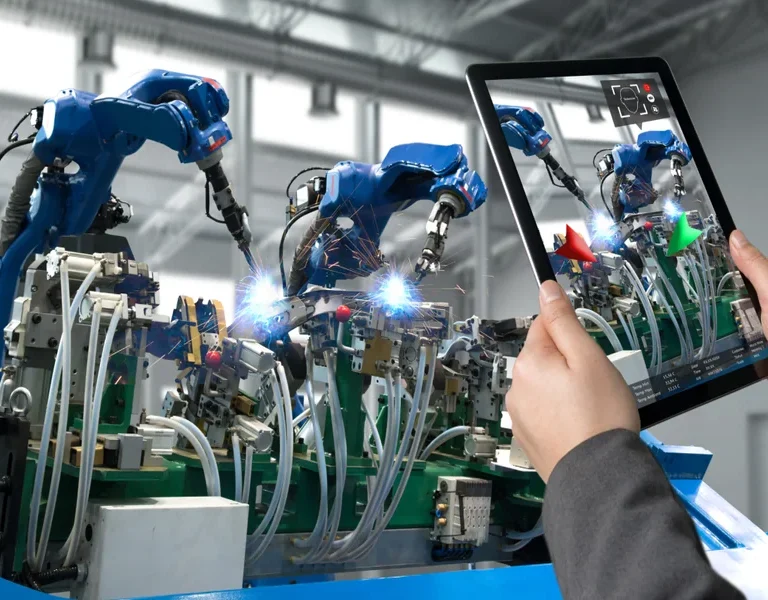
Technological advancements have vastly transformed the photobooth, allowing it to keep pace with digital innovations. Not only have these booths become more compact, but they also offer augmented reality features, green screen technology for immersive experiences, and cinematic effects for unique outputs.
The inclusion of GIF creation and slow-motion video options amplifies the creative possibilities, making photobooths far more than simple portrait machines. Biometric capabilities, such as facial recognition technology, enable attendees to navigate and interact with photobooths more intuitively and securely. The synergy of these innovations keeps the photobooth relevant despite the pervasive presence of personal devices equipped with photo-taking capabilities.
The Business of Photobooths
Businesses have leveraged photobooth technology to engage with consumers in novel ways. At marketing events and trade shows, photobooths are being utilised to gather customer data, resulting in a powerful combination of interactive marketing and consumer insight gathering.
Branding has been woven into the very fabric of photobooth operation, allowing companies to create a branded environment where users can interact and share their branded photos on various platforms. This synergy between consumer engagement and marketing strategy highlights the versatile utility of photobooths in business.

Challenges Facing the Photobooth Industry
Despite their continued popularity, photobooths face challenges, chiefly rooted in the competitive landscape dominated by an influx of smartphone applications and editing software. The industry must continuously innovate to stay relevant, focusing on creating unique experiences that stand apart from digital alternatives.
Ensuring user privacy has also become a pertinent issue, with increasing awareness and complex legal landscapes surrounding user data protection. Photobooths equipped with digital capabilities often collect user data, requiring strict adherence to data protection regulations to maintain consumer trust.
The Future of Photobooth Machines
The evolution of photobooth machines is ongoing, and the future looks promising as they integrate more artificial intelligence and machine learning features. Predictive analytics may soon tailor experiences based on user preferences or social media trends, while seamless integration with personal smart devices could offer new levels of interaction and personalisation.
In summary, while the photobooth machine of today is steeped in technological advancements, its core purpose remains unchanged: to capture moments worth remembering. These machines provide an authentic and irreplaceable experience that melds physical keepsakes with digital delights, ensuring their place in both personal and professional arenas. As they continue to evolve, photobooths will likely expand their repertoire of features, maintaining their relevance and charm in an increasingly digital world.